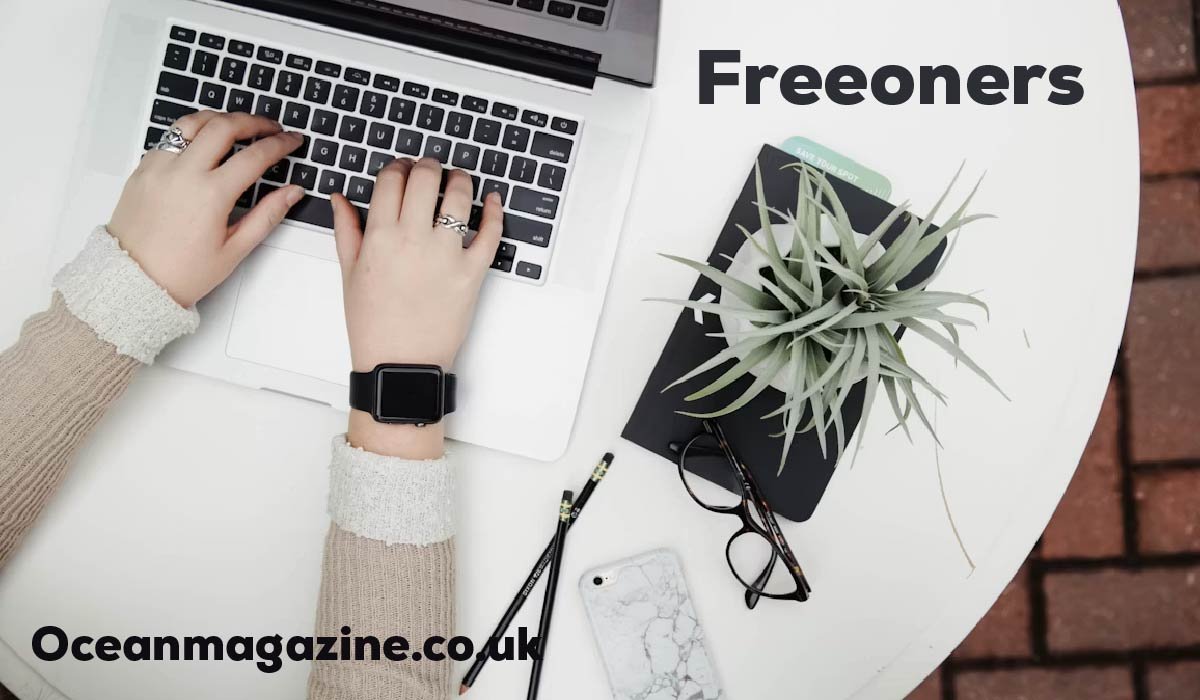
You may have come across the word Freeoners online and wondered what it means. The term is still new, and people do not always use it in the same way.
In some places, Freeoners describes people who combine freelance work with online content creation. In others, it refers to free or shareable digital content such as GIFs, short video clips, memes, and visual templates.
The simplest way to understand Freeoners is as an online idea built around freedom, creativity, and independent work. It may describe a working style, a group of creators, or collections of digital media.
In this guide, you will learn what Freeoners means, how the idea works, who may find it useful, and what risks you should consider before using shared content.
What Is Freeoners?
Freeoners is an informal term linked to independent online work and shareable digital content. It is not an official profession, company, platform, or software product.
A Freeoner may be someone who offers freelance services while also creating content online. For example, a graphic designer might work on paid client projects and share design tips, animations, or templates on social media.
The term may also refer to collections of digital visuals, including:
- Reaction GIFs
- Short video clips
- Meme templates
- Animated images
- Social media graphics
- Downloadable content packs
Think of Freeoners as an umbrella term. It can cover several online activities that focus on creative freedom, flexible work, and easy content sharing.
The idea may appeal to freelancers, students, small business owners, content creators, social media managers, and anyone trying to build skills or visibility online.
Why Is Freeoners Becoming Popular?
There is no widely accepted record of who created the term Freeoners or exactly where it started. It appears to be an emerging internet word rather than the name of an established company or movement.
The idea behind it is becoming more relevant because freelance work and content creation now often overlap.
A writer may complete paid articles for clients and share writing tips on social media. A video editor may publish short edits to attract new customers. A designer may offer paid branding services while giving away a few simple templates.
In each case, free content helps show the person’s skill. Their public work can act as a portfolio and may help potential clients understand what they offer.
The word also attracts attention because it includes the idea of being “free.” That may suggest flexible work, free access, or creative independence.
However, free access does not always mean that content is free from copyright restrictions. You still need to check who owns the material and how you are allowed to use it.
Main Types of Freeoners Content and Work
Because Freeoners does not have one official meaning, it can include several types of online work and digital content.
Freelance Services
Freelancers offer skills directly to clients. Common services include writing, design, coding, video editing, marketing, translation, and virtual assistance.
This matters because client work can provide income while the freelancer builds an online name.
Short-Form Videos
Short videos are made for platforms such as TikTok, Instagram Reels, and YouTube Shorts.
They may include tutorials, reactions, editing examples, product demonstrations, or simple entertainment.
GIFs and Reaction Images
GIFs are short, moving images that repeat in a loop. People often use them in messages, comments, presentations, and social posts.
They help users show emotions or reactions without writing a long reply.
Meme Templates
Meme templates are images or clips that people can edit by adding captions, jokes, or new meanings.
They are popular because they are quick to understand and easy to share.
Educational Content
Educational content includes short tips, tutorials, demonstrations, and beginner guides.
This type of content can help a creator show knowledge and build trust with an audience.
Downloadable Content Packs
Some creators group GIFs, clips, graphics, or templates into folders or digital packs.
These packs may be shared for free or offered through creator platforms. Their licensing terms can vary, so users should always check the rules.
Personal Branding
Personal branding means shaping how people see your skills, style, and professional value online.
A freelancer who regularly shares useful work may become easier to remember and more likely to receive enquiries.
How Freeoners Works
The Freeoners approach usually brings together three simple activities: creating, sharing, and earning.
First, you choose a skill or type of content. You might edit videos, design graphics, write articles, create GIFs, or manage social media accounts.
Next, you create examples and publish them online. These examples help people see your style and ability.
You may then earn money through client projects, digital products, sponsorships, subscriptions, advertising, or affiliate links. These options depend on your audience, skills, platform, and local rules.
For example, imagine that you edit short videos. You complete paid projects for clients and also post editing tips on social media.
A small business owner sees one of your posts, likes your style, and contacts you about a project. In this case, your free content helps lead people to your paid service.
The process can also work the other way around. Someone may start by creating memes or GIFs, build an audience, and later begin offering editing or design services.
How to Use the Freeoners Approach
1. Choose One Clear Skill
Start with a specific service, such as blog writing, short-video editing, logo design, or social media graphics.
A clear focus makes it easier for people to understand what you do.
2. Select a Content Format
Choose one type of content you can create regularly.
You might post short tutorials, before-and-after examples, quick tips, GIFs, or simple templates.
3. Build a Small Portfolio
Create three to five strong examples of your work.
You can use real client projects with permission or create practice samples. Always label practice work honestly.
4. Pick the Right Platform
Choose a platform based on the audience you want to reach.
A video editor may prefer TikTok, Instagram, or YouTube. A writer or business consultant may find LinkedIn more suitable.
5. Explain Your Service Clearly
Write a short profile description that tells people what you do, who you help, and how they can contact you.
Avoid vague phrases. A clear message is more useful than trying to sound impressive.
6. Check Usage Rights
Before sharing or editing someone else’s content, check the license.
Do not assume that a downloadable image, GIF, clip, or song is free for commercial use.
7. Watch What Works
Pay attention to which posts bring useful responses.
Views can be encouraging, but enquiries, profile visits, downloads, and client messages often matter more.
8. Improve Over Time
Update your portfolio as your skills improve.
You do not need to follow every trend. Focus on creating work that supports your goals and shows your strengths.
Main Benefits of Freeoners
More Control Over Your Schedule
Freelance work may give you more choice over when and where you work.
This can be useful if you are studying, caring for family members, working another job, or managing health needs.
However, flexible work still requires planning. You must manage deadlines, communication, and client expectations.
A Public Portfolio
Content gives potential clients a simple way to see what you can do.
A designer might share a logo redesign. A writer might post editing tips. A video editor might publish a short before-and-after clip.
These examples can make your skills easier to understand.
More Than One Income Option
You may be able to earn through client services, templates, digital products, subscriptions, or brand work.
Having more than one option can be helpful, but trying to build everything at once can become stressful.
It is usually better to start with one main source of income and add others slowly.
A Lower-Cost Starting Point
Many online platforms and creative tools offer free versions.
You may be able to begin with a phone, a computer, internet access, and a skill you already have.
Costs may increase later if you need paid software, better equipment, storage, advertising, or professional services.
Access to a Wider Audience
Online platforms allow you to show your work to people outside your local area.
This can create opportunities to work with clients from other cities or countries.
International work may also involve time-zone differences, payment fees, contracts, tax rules, and communication challenges.
Possible Limitations and Things to Consider
The biggest issue with Freeoners is that the term does not have one clear or official definition.
One person may use it to describe freelance creators. Another may use it for downloadable GIF or meme packs. You may need to explain what you mean when using the word.
Income can also be uncertain. Freelancers may have busy months followed by slow periods.
Content performance is unpredictable too. A platform may change its rules or stop showing your posts to as many people.
Copyright is another major concern. A file being free to download does not automatically make it free to reuse, edit, sell, or include in client work.
Before using a piece of content, ask:
- Who made the original material?
- Is there a clear license?
- Can it be used commercially?
- Are edits allowed?
- Is credit required?
- Does it include copyrighted music, footage, or images?
You should also be careful when downloading ZIP files or content from unfamiliar websites.
Avoid unknown file types and executable files. Use trusted sources and scan downloads before opening them.
Time management can also become difficult. Creating regular content may take time away from paid work.
A simple schedule can help you decide when to work for clients and when to create public content.
Freeoners Compared With Alternatives
Freeoners vs. Traditional Freelancing
Traditional freelancing mainly focuses on completing paid client projects.
The Freeoners approach adds content creation, audience building, or shareable digital media.
Traditional freelancing may suit you if you prefer private client work and do not want to post regularly. Freeoners may suit you if you enjoy showing your work publicly.
Freeoners vs. Full-Time Content Creation
Full-time creators often focus on growing an audience and earning through sponsorships, ads, memberships, or products.
A Freeoner may continue doing client work while creating content on the side.
Content creation can offer creative freedom, but income may be uncertain. Freelance projects often have clearer payment terms, though they also come with deadlines and client demands.
Freeoners Packs vs. GIF Platforms
Platforms such as GIPHY and Tenor are designed to help people search for and share GIFs quickly.
Freeoners-style packs may contain downloadable files that users can sort, edit, or reuse.
GIF platforms may be more useful for quick reactions. Downloadable packs may be better for editing, but only when the license allows it.
Freeoners vs. Stock Media Libraries
Stock media libraries provide photos, videos, music, and graphics with stated licensing terms.
Some assets are free, while others require payment or a subscription.
Freeoners-style content may be easier to access, but its ownership and usage rights may be less clear.
For paid advertising, business campaigns, or client projects, a trusted stock library may offer better legal protection.
Final Thoughts
Freeoners is an emerging term connected to independent online work, digital creativity, and shareable content.
It may describe a freelancer who also creates content, a community of online creators, or collections of GIFs, memes, templates, and short clips.
The idea can be useful because it encourages you to combine a practical skill with a visible online presence. Your content may help people understand your work and discover your services.
Still, Freeoners should not be treated as an official platform, a guaranteed way to earn money, or a license that makes every file free to use.
A practical place to start is to choose one skill, create three original examples, and share them on one suitable platform. Keep your offer clear, protect your time, and always check content rights before publishing or selling anything.