You may have seen the word Gessolini on a blog, forum, or search results page and wondered what it means. Some websites describe it as an art primer. Others link it to Renaissance painting or present it as a modern creative material.
The problem is that Gessolini does not have a clear, widely accepted definition. It sounds similar to gesso, a real primer that artists use to prepare canvas, wood, and other surfaces before painting. That similarity has caused a lot of confusion.
This guide explains what is known about Gessolini, why the term is appearing online, how it may relate to gesso, and what you should check before buying or using a product with this name.
What Is Gessolini?
Gessolini is an online term often connected with painting, surface preparation, and art materials. However, it is not widely recognized in standard art reference books, museum resources, or academic publications.
Some websites describe it as a primer for canvas, wood, or paper. Others claim it was used in older European art. These claims are difficult to confirm because reliable historical evidence is limited.
For now, the safest way to describe Gessolini is as an unclear or emerging term rather than an established art material.
The word may refer to:
- A modern name for an art primer
- A creative term used by artists or writers
- A variation or misspelling of gesso
- An internet keyword with no fixed meaning
People are interested in Gessolini because the name sounds artistic and Italian. It also closely resembles gesso, which is a well-known painting primer.
Why Is Gessolini Becoming Popular?
Gessolini appears to be gaining attention because unusual words can spread quickly online.
A few websites may publish similar explanations. Other writers then repeat those ideas without checking where they came from. After enough articles appear, the information can look established even when the original source is unclear.
The name also sounds believable. Italy is strongly connected with Renaissance painting, sculpture, and traditional craftsmanship. Because of this, readers may assume Gessolini has a long artistic history.
Its similarity to gesso adds to the confusion. Since gesso is a genuine art material, many people assume Gessolini must be a special type of gesso. That may be true for a particular product, but the name alone does not prove it.
Common Meanings Linked to Gessolini
Because there is no standard definition, Gessolini is used in several different ways online.
A Painting Primer
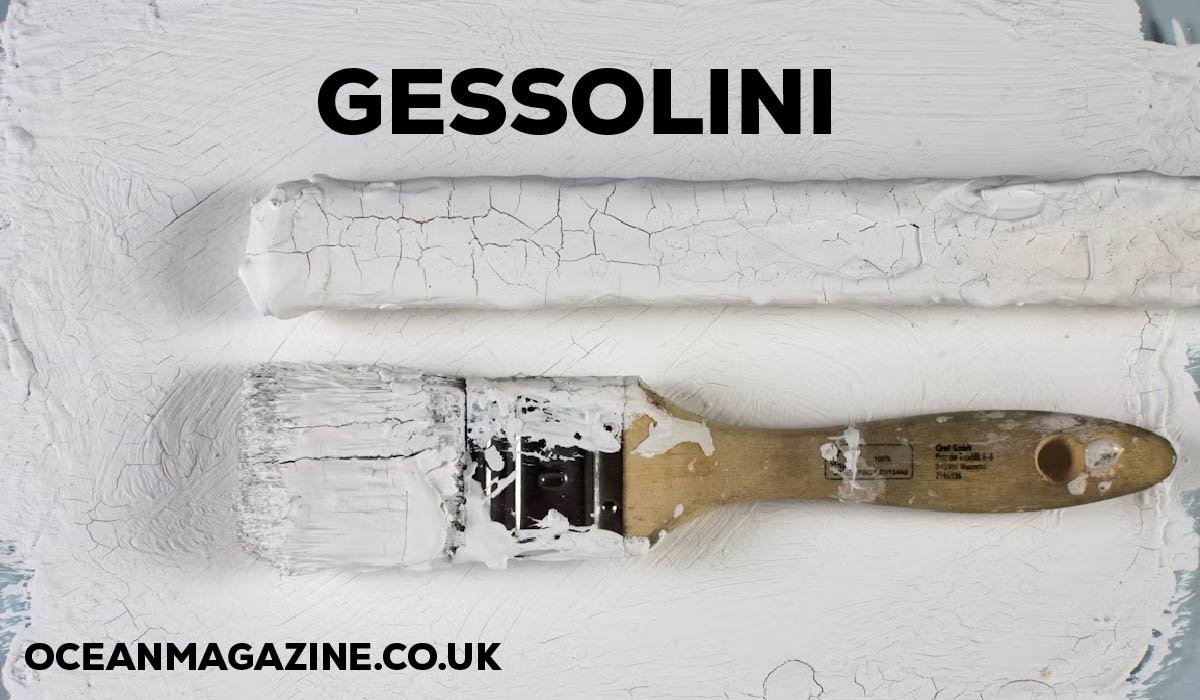
Many articles describe Gessolini as a primer that seals a surface before painting.
This is the same basic job performed by gesso. A primer can reduce paint absorption, improve adhesion, and create a more even surface.
However, you should not assume that every product called Gessolini has the same formula or purpose. Always check the label and instructions.
A Textured Art Material
Some writers connect Gessolini with textured art, mixed media, or decorative finishes.
Thick primers and modeling pastes can create raised marks and rough surfaces. However, Gessolini does not refer to one recognized texture or recipe.
A Historical Art Material
Some online sources claim that Renaissance artists used Gessolini.
Renaissance painters did prepare wooden panels with materials made from chalk, gypsum, pigment, and animal glue. These preparations are usually described as gesso, not Gessolini.
Without reliable historical records, claims about Gessolini’s Renaissance use should be treated as unconfirmed.
A Modern Creative Term
Gessolini may also be a newly created word used for an art style, technique, product, or creative idea.
Artists often develop their own names for textures and methods. In that setting, the word can still be useful even if it has no historical meaning.
How a Gesso-Like Gessolini Product May Work
There is no single confirmed Gessolini formula. Its function depends on the product being discussed.
If the word is used for a gesso-like primer, the material may work in the following way:
- It spreads across the painting surface.
- The liquid begins to dry and form a thin layer.
- Small solid particles create a lightly textured finish.
- The layer reduces uneven absorption.
- Paint sits on the prepared surface instead of soaking directly into it.
Think of it like priming a wall before applying the final paint color. The primer is not the finished artwork. It prepares the surface so the next layer behaves more evenly.
Before using any Gessolini product, check whether it is made for acrylic paint, oil paint, crafts, or another purpose.
How to Use Gessolini
Because the name is not standardized, the product instructions should always come first.
The following steps are suitable only when Gessolini is clearly sold as a water-based art primer.
- Read the label.
Check which surfaces and paints the product supports. Also review the drying time, ingredients, cleanup instructions, and safety warnings. - Test a small amount.
Apply the material to a spare piece of canvas, wood, paper, or board. This lets you check the texture, color, adhesion, and drying time. - Clean the surface.
Remove dust, oil, loose fibers, and flaking material. Primer may not bond properly to a dirty or unstable surface. - Stir gently.
Some ingredients may settle at the bottom during storage. Stirring helps restore an even consistency without creating too many bubbles. - Apply a thin coat.
Use a clean brush, sponge, or roller if the product instructions allow it. A thin coat usually dries more evenly than a heavy one. - Let it dry fully.
Do not paint over a surface that still feels damp, soft, or sticky. Drying time can change with temperature, humidity, and coat thickness. - Sand if needed.
Light sanding can create a smoother surface. Follow the product’s safety advice, especially when dealing with dust. - Add another coat if necessary.
Very absorbent surfaces may need more than one layer. Apply thin coats rather than one thick layer.
Benefits of Using a Suitable Art Primer
The following benefits apply when Gessolini is used to describe a properly made painting primer.
More Even Paint Coverage
Raw wood, fabric, and cardboard may absorb paint at different rates.
A primer creates a more consistent surface. This can help your colors look smoother and reduce patchy areas.
For example, paint may quickly disappear into untreated cardboard. On a primed surface, it often stays easier to spread and blend.
Better Paint Adhesion
A lightly textured primer gives paint something to grip.
This may help reduce peeling or weak coverage, especially on smooth or highly absorbent surfaces. Results still depend on using a primer that is compatible with your paint.
Less Paint Absorption
Unprepared materials can soak up a large amount of liquid paint.
A suitable primer creates a barrier between the paint and the support. You may need fewer paint layers to achieve an even finish.
However, priming also requires extra time and material, so it does not always reduce the total cost of a project.
Greater Control Over Texture
You can apply primer smoothly or leave visible brush marks.
A portrait painter may sand the surface to make fine details easier. An abstract artist may keep the texture to add depth and movement.
Better Protection for the Surface
A suitable primer separates the paint from the material underneath.
This can be important when the painting medium might stain, weaken, or soak into an untreated surface. For valuable artwork, use a product with clear technical information and reliable instructions.
Limitations and Things to Consider
The main problem with Gessolini is that the term does not describe one standard product.
Two sellers may use the same name for materials with different ingredients, textures, and uses. This makes it difficult to compare products based on the name alone.
Before buying, ask:
- Who makes the product?
- Are the ingredients listed?
- Which surfaces can it be used on?
- Is it suitable for your type of paint?
- Are drying and curing times explained?
- Does the label include safety guidance?
- Is there evidence that it is suitable for long-term artwork?
- Can you test it before using it on an important piece?
Price and availability may also vary. An unfamiliar product name does not automatically mean the material is better than standard gesso.
Avoid using an unknown formula on commissioned, valuable, or exhibition artwork without testing it first.
For school projects or children’s activities, choose only products clearly labeled as suitable for that age group and purpose.
Gessolini vs. Gesso and Other Primers
Traditional Gesso
Traditional gesso is usually made with chalk or gypsum and animal glue.
It creates a smooth, firm surface and is often used on wooden panels. However, it can be brittle, so it may not be suitable for flexible canvas.
Artists interested in traditional painting methods may prefer it, but it requires careful preparation.
Acrylic Gesso
Acrylic gesso is a common modern primer.
It usually contains an acrylic binder, pigment, and solid particles that give the surface grip. It is widely available and can be used on many types of canvas, boards, and mixed-media surfaces.
For most beginners, acrylic gesso is the easiest option to understand and compare.
Oil Ground
Oil ground is made for oil painting.
It often creates a smoother and less absorbent surface than acrylic gesso. However, it may need more time to dry or cure before painting begins.
Oil painters who want a particular surface feel may prefer this option.
Gessolini
Gessolini may refer to a primer similar to gesso, but the word alone does not explain what the material contains or how it should be used.
Its main disadvantage is the lack of a fixed definition. It may still be worth considering when a manufacturer provides clear ingredients, instructions, and safety information.
Otherwise, acrylic gesso, traditional gesso, or oil ground may be easier to evaluate.
Final Thoughts
Gessolini is best understood as an uncertain online term rather than a clearly documented historical art material.
It is often described as a painting primer, but many of those descriptions closely match the established purpose of gesso. That does not mean every product using the name is unreliable. It means you should judge the product by its formula, instructions, and intended use rather than its name.
Before using Gessolini, read the label, compare it with a known primer, and test it on a spare surface. This simple step can help you avoid problems and choose the right material for your artwork.