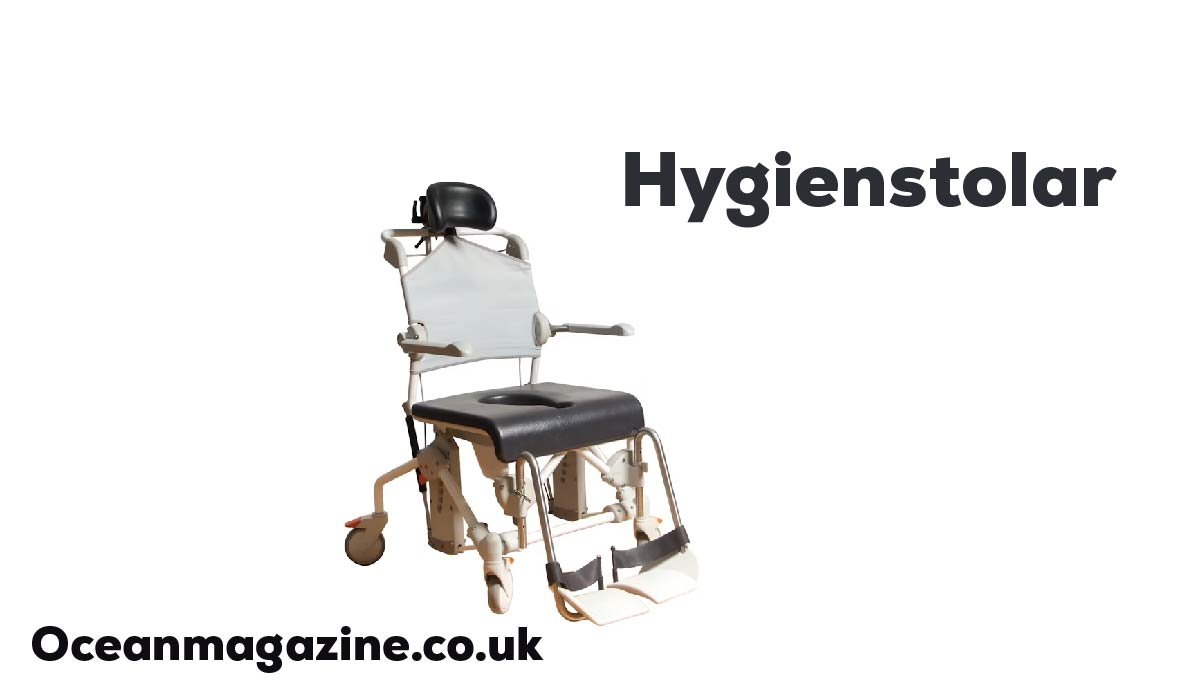
Using the bathroom can become difficult when you have limited balance, strength, or movement. A normal chair may slide on a wet floor, absorb water, or make it harder for someone to help you safely. That is where hygienstolar can be useful. The word refers to hygiene chairs designed for activities such as showering, toileting, and personal care. Some models stay in one place, while others have wheels and can be moved between rooms.
In this guide, you will learn what hygienstolar are, how they work, the main types available, and what to check before choosing one. You will also see how they compare with shower chairs, bedside commodes, and wheelchairs.
What Are Hygienstolar?
Hygienstolar is the plural form of the Swedish word hygienstol. It generally means chairs designed to support personal hygiene tasks.
These chairs may be used for:
- Showering
- Toileting
- Washing and dressing
- Moving a person to and from the bathroom
- Supporting someone who cannot stand for long
Unlike an ordinary household chair, a hygienstol is made for wet areas and regular cleaning. It usually has water-resistant surfaces, a stable frame, armrests, and an easy-to-clean seat.
Some models can be positioned over a toilet. Others include a removable container and can be used as a commode. More advanced designs may include wheels, footrests, adjustable supports, or a reclining function.
Hygienstolar may be useful for older adults, people with disabilities, people recovering from surgery, and anyone who needs help with personal care.
Why Are Hygienstolar Becoming More Common?
Many people want to stay independent at home for as long as possible. At the same time, family members and professional caregivers need equipment that makes daily care safer and easier to manage.
Bathrooms can be challenging because they are often small and slippery. Moving between a bed, wheelchair, toilet, and shower may also take a lot of effort.
A suitable hygiene chair can make these routines simpler. In some cases, one chair can be used for both showering and toileting, which may reduce the number of transfers needed.
There are now many designs available for different needs. These include simple shower chairs, wheeled toilet chairs, self-propelled models, and chairs with extra body support.
The word hygienstol can describe several types of equipment, so always check exactly what a chair is designed to do before buying or using it.
Main Types of Hygienstolar
The right type depends on your movement, balance, bathroom layout, and level of support.
Stationary Hygiene Chairs
A stationary hygiene chair has fixed legs instead of wheels. It is often used inside a shower or beside a sink.
This type may suit you if you can walk into the bathroom but need a secure place to sit. It is usually simple, lightweight, and easier to store than a wheeled model.
However, it cannot be used to move someone between rooms.
Mobile Shower and Toilet Chairs
Mobile hygienstolar have wheels and are usually pushed by a caregiver. Many can be used in a shower and placed over a compatible toilet.
These chairs are useful when walking to the bathroom is difficult or unsafe. They may also reduce the need to transfer between several different seats.
The wheels should have reliable brakes to keep the chair stable during transfers and personal care.
Self-Propelled Hygiene Chairs
Self-propelled chairs have larger rear wheels, similar to a manual wheelchair. They allow some users to move without being pushed.
This type may suit someone who has enough arm strength, balance, and coordination to control the chair safely.
Because of the larger wheels, these chairs need more space to turn and move through doorways.
Tilt-in-Space Hygiene Chairs
A tilt-in-space chair allows the seat and backrest to tilt together. This can help support someone who has difficulty sitting upright for a long time.
It may also make washing and personal care easier for users who need more help controlling their head, back, or upper body.
These chairs should be selected and adjusted carefully. Advice from an occupational therapist, physiotherapist, nurse, or equipment specialist may be helpful.
Bariatric Hygiene Chairs
Bariatric hygienstolar are designed for people who need a wider seat and higher weight capacity.
They usually have stronger frames, larger seats, and additional support. The chair must still fit through doors and around bathroom fixtures, so careful measuring is essential.
Important Features to Check
Not every hygienstol includes the same features. Focus on the parts that match your daily needs.
- Locking wheels: Help keep the chair still during transfers and personal care.
- Armrests: Provide support when sitting down, standing up, or changing position.
- Footrests: Support the feet while the chair is being moved.
- Open or removable seat: Makes toileting and personal washing easier.
- Adjustable height: Helps the chair fit the user, caregiver, shower, and toilet.
- Removable armrests: Can make side transfers easier.
- Supportive backrest: Helps users who cannot sit securely without assistance.
- Head support: May be needed when neck or upper-body control is limited.
- Commode container: Allows the chair to be used away from a toilet when necessary.
Extra features can make a chair larger, heavier, and more expensive. Choose what you genuinely need rather than selecting the most complicated model.
How Do Hygienstolar Work?
A hygienstol gives you a stable place to sit during showering, toileting, and other personal care tasks.
A mobile model may also allow a caregiver to move you from a bedroom to the bathroom without transferring you to another chair. It may then be placed over the toilet or moved into an accessible shower.
The chair’s water-resistant materials allow it to be used in wet areas. Brakes help keep it still, while the backrest, armrests, and footrests support your body.
Some chairs have open seats or removable sections that allow easier access during washing and toileting.
The exact process depends on the model. A shower chair should only be used over a toilet if the manufacturer states that it is suitable for that purpose.
How to Use a Hygienstol Safely
Always read the instructions for your specific chair. The following steps provide general guidance.
- Check the chair before each use.
Look at the frame, wheels, brakes, seat, armrests, and footrests. Do not use the chair if anything feels loose, cracked, or unstable. - Prepare the bathroom.
Remove loose rugs, clutter, and anything that may block the chair. Make sure there is enough space to move and turn safely. - Adjust the chair.
Set the height, footrests, armrests, and other supports before the user sits down. Make sure the seat is comfortable and the feet are supported. - Lock the brakes.
Apply the brakes before sitting down, standing up, or moving between the chair and another surface. Test the chair gently to confirm that it will not move. - Use a safe transfer method.
Follow any transfer advice given by a healthcare professional. Do not pull someone by the arms or attempt a lift that may injure either person. - Move the chair carefully.
Keep the user’s feet on the footrests and hands away from the wheels. Move slowly around doors, corners, and bathroom fittings. - Clean the chair after use.
Follow the manufacturer’s cleaning instructions. Remove soap, dirt, and moisture from the seat, frame, wheels, and removable parts.
Main Benefits of Hygienstolar
Safer Sitting in the Bathroom
Standing in a wet shower can be difficult when you have poor balance or weak legs. A hygienstol gives you a stable place to sit.
For example, someone who becomes tired quickly may be able to complete a shower while remaining seated.
A chair cannot remove every risk, but the right model can make personal care more controlled and manageable.
Fewer Transfers
Moving between a wheelchair, toilet, shower seat, and bed can be tiring. It may also be difficult for caregivers.
A combined shower and toilet chair may reduce the number of times you need to change seats. This can make the routine simpler, especially when movement is painful or limited.
The chair must still be suitable for your body, bathroom, and transfer method.
Better Support for Caregivers
Features such as removable armrests, open seats, and adjustable height can make personal care easier to provide.
A suitable chair may help a caregiver reach the user without excessive bending or stretching. It can also make washing, dressing, and toileting more organised.
Caregivers should still use safe handling methods and ask for training when needed.
Greater Comfort and Confidence
Personal care can feel stressful when you are worried about slipping or falling. Sitting in a supportive chair may help you feel more secure.
A comfortable backrest, suitable seat width, and correctly placed footrests can also improve the experience.
Good positioning matters because an uncomfortable chair may cause pressure, pain, or poor posture.
Easier Cleaning
Most hygienstolar are made from materials that can handle water and regular cleaning.
Smooth surfaces and removable parts may be easier to clean than fabric chairs or furniture with deep seams.
You should still use cleaning products recommended by the manufacturer. Strong chemicals or rough brushes may damage the seat, frame, or protective coating.
Things to Consider Before Choosing Hygienstolar
A hygienstol must suit both the user and the bathroom. A chair that is too wide, too low, or difficult to move may create new problems.
Measure:
- The bathroom doorway
- The shower entrance
- The space around the toilet
- The toilet height
- The available turning area
- The chair’s total width
- The user’s seat width and leg length
You should also check the chair’s stated weight limit. Never choose a model that does not safely support the user.
Think carefully about the level of body support required. A basic shower chair may not be suitable for someone who cannot sit upright, control their movements, or keep their head supported.
Also consider who will operate the chair. A model that works well in a care home may be too large or complicated for a small home bathroom.
Ask these questions before choosing:
- Will the chair be used for showering, toileting, or both?
- Does the user need help sitting upright?
- Will a caregiver push the chair?
- Does the user need removable armrests?
- Can the chair fit over the toilet?
- Is there enough space for the footrests and wheels?
- Are replacement parts available?
- How easy is the chair to clean?
- Can the chair be adjusted as the user’s needs change?
When needs are complex, professional advice can help prevent an unsuitable purchase.
Hygienstolar Compared With Other Options
Hygienstolar vs Regular Shower Chairs
Both provide a place to sit while showering.
A standard shower chair is often smaller, lighter, and easier to store. It may be enough if you can walk into the bathroom and transfer without much help.
A mobile hygienstol may be better if walking is difficult or if you need the same chair for both showering and toileting. However, it requires more space and may cost more.
Hygienstolar vs Bedside Commodes
A bedside commode provides toilet access near a bed. It can be useful at night or when reaching the bathroom is difficult.
Some commodes are not designed to get wet and should not be used in a shower.
A combined hygiene chair may perform both functions, but only when it is approved for showering and toileting.
Hygienstolar vs Wheelchairs
A wheelchair is mainly designed for daily movement. Its cushions, upholstery, bearings, and other parts may not be suitable for shower water.
A hygienstol is built for personal care and wet areas. It may have an open seat, water-resistant surfaces, and removable hygiene parts.
A hygiene chair should not be used as a replacement for a normal wheelchair unless the manufacturer clearly allows it.
Final Thoughts
Hygienstolar can make showering, toileting, and personal care easier for people with limited movement. The right chair may improve safety, reduce unnecessary transfers, and provide better support for both the user and caregiver.
The most important step is choosing a chair that fits the person, the bathroom, and the daily routine. Check the dimensions, brakes, seat design, weight capacity, armrests, footrests, and cleaning requirements before making a decision.
Start by measuring your bathroom and writing down exactly what the chair needs to do. When the user has complex mobility or positioning needs, ask a qualified healthcare professional to help you choose and adjust the chair.