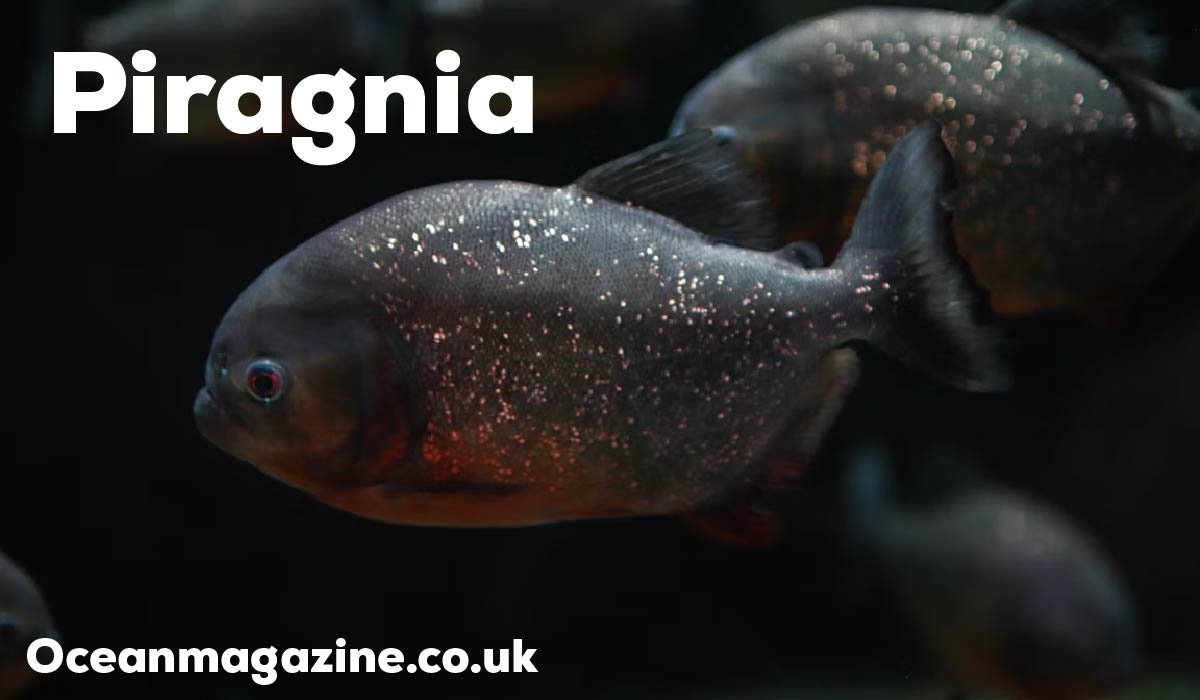
You may have seen the word “piragnia” while searching for information about piranhas. The spelling looks convincing, which can make it seem like the name of a rare fish or a separate species. However, piragnia is not a recognized scientific name. In most cases, it appears to be a misspelling or informal variation of “piranha.” It is often used online in articles, searches, and casual discussions about the sharp-toothed freshwater fish found in South America.
This guide explains what piragnia usually means, how real piranhas behave, what they eat, and whether they are dangerous. It will also help you separate reliable facts from myths created by films and online stories.
What Is Piragnia?
Piragnia is usually another spelling of piranha. It does not refer to a separate fish family, genus, or species recognized by scientists.
Think of it as a spelling mistake that has become common enough to appear in search results. People may understand what the writer means, but the different spelling does not create a new type of animal.
Someone searching for piragnia is usually looking for information about:
- Piranha species
- Their sharp teeth and strong jaws
- Their feeding habits
- Their natural habitat
- Their danger to humans
- Their care in home aquariums
For clearer and more reliable results, use the word “piranha” or search for the scientific name of a specific species.
Where Did the Word Piragnia Come From?
There is no well-documented scientific history behind the term “piragnia.” It most likely developed through typing mistakes, spelling confusion, or attempts to write “piranha” based on how it sounds.
Once a misspelling appears online, other websites may copy it. Search engines can then continue showing the term because people keep using it.
Some articles describe piragnia as a regional or traditional name. That may be possible in a limited local context, but there is not enough reliable evidence to treat it as an accepted general name for a fish.
The correct and widely recognized word is piranha. Piranhas belong to the Serrasalmidae family, which also includes pacus and other related South American freshwater fish.
Common Types of Piranhas
There are several piranha species, and they do not all behave in the same way. Their size, color, diet, and level of aggression can vary.
Red-Bellied Piranha
The red-bellied piranha is one of the best-known species. Its scientific name is Pygocentrus nattereri.
It usually has a silver or gray body with red or orange coloring underneath. This is the species most people picture when they hear the word piranha.
Red-bellied piranhas live in several South American river systems. They may gather in groups, partly for protection from larger predators.
Black Spot Piranha
The black spot piranha, Pygocentrus cariba, is found in the Orinoco River basin. It is known for the dark mark near its gills and its powerful bite.
Like other piranhas, it should not be handled with bare hands. A frightened or trapped fish may bite while trying to escape.
Serrasalmus Piranhas
The genus Serrasalmus includes many different piranha species. Some have long bodies, dark coloring, or markings that change as they grow.
Their behavior can differ from the better-known red-bellied piranha. This is why you should avoid treating all piranhas as if they are exactly alike.
Pacus
Pacus are close relatives of piranhas, but they are not the same fish. Their teeth are generally broader and better suited to crushing foods such as fruits, seeds, and nuts.
Young pacus and piranhas can sometimes look similar. Proper identification is important, especially because pacus can grow much larger than many new aquarium owners expect.
Where Do Piranhas Live?
Piranhas are native to freshwater habitats in South America. Different species live in river systems such as the Amazon, Orinoco, and Paraguay-Paraná basins.
They may be found in:
- Rivers and streams
- Lakes and connected ponds
- Floodplains
- Forest areas covered by seasonal floods
- Slow-moving backwaters
Their surroundings change throughout the year. During rainy seasons, rising water may give them access to flooded forests where they can find insects, fruits, seeds, and small aquatic animals.
Not every piranha prefers the same conditions. Habitat depends on the species, water temperature, food supply, and season.
What Do Piranhas Eat?
Piranhas are often described as strict meat eaters, but their diets are more varied than that.
Depending on the species and available food, they may eat:
- Small fish
- Insects and insect larvae
- Worms
- Crustaceans
- Fish fins or scales
- Fruits and seeds
- Plant material
- Dead animals
Many piranhas are opportunistic feeders. This means they eat whatever suitable food is available instead of hunting one particular type of prey.
They may also scavenge, which means feeding on animals that are already dead. This behavior helps recycle nutrients in their environment.
The dramatic feeding frenzies shown in films are not a good picture of everyday piranha behavior. Fast group feeding may happen under unusual conditions, but it is not their constant way of life.
How Do Piranhas Find and Eat Food?
Piranhas use several senses to notice food and movement around them. They can detect vibrations in the water and respond to nearby animals, struggling prey, or possible danger.
Their feeding process usually follows a simple pattern:
- They notice movement or food.
The fish detects something nearby through sight, smell, or water vibrations. - They approach carefully.
Piranhas do not always rush straight toward an object. They may inspect it first. - They take a bite.
Their sharp, triangular teeth allow them to cut through flesh, fins, or other food. - They move away or continue feeding.
Their response depends on competition, hunger, safety, and the amount of food available.
Schooling does not always mean the fish are forming a hunting pack. In many cases, staying together helps protect individual fish from predators.
Are Piranhas Dangerous to Humans?
Piranhas can bite humans, but their reputation is much worse than their normal behavior suggests.
Most piranhas do not treat people as regular prey. They are often cautious around large animals and may move away when a person enters the water.
Bites are more likely in certain situations, including:
- When a fish is trapped or handled
- When someone is fishing
- When food is limited
- When water levels are unusually low
- When people disturb a nesting area
- When food is thrown into water near swimmers
A piranha bite can cause a painful wound because the teeth are sharp and the jaws are strong. You should respect the risk without assuming that every piranha will attack.
The best approach is the same one you would use around any wild animal: keep your distance, avoid provoking it, and follow local safety advice.
How to Research Piragnia Correctly
Because piragnia is not an accepted species name, you may find confusing or unreliable information when you search for it.
Use these steps to get better results:
- Search for “piranha.”
This is the recognized spelling and will lead to more dependable sources. - Find the species name.
A scientific name such as Pygocentrus nattereri helps you research one exact fish. - Use trusted sources.
Look for information from museums, universities, zoos, fish databases, and scientific publications. - Check more than one source.
A claim is not reliable simply because several blogs repeat it. - Look for habitat details.
A proper species description should explain where the fish naturally lives. - Be careful with dramatic stories.
Claims about instant attacks or giant unknown species need strong evidence. - Ask an expert when identification matters.
An aquarium specialist or fisheries professional may help identify an unfamiliar fish.
Good research starts with the correct name. That small change can greatly improve the quality of the information you find.
Why Correct Identification Matters
It Helps You Avoid Misinformation
Calling piragnia a separate species can confuse readers. Using the correct name makes your writing, research, or schoolwork more accurate.
It also allows other people to check the same facts for themselves.
It Gives You Better Search Results
Searching for “piranha” connects you with established species records and scientific information. Searching only for “piragnia” may lead to copied articles or unsupported claims.
Adding a scientific name makes your search even more specific.
It Creates a More Realistic View of Piranhas
Films often show piranhas as unstoppable killers. Real piranhas have more complex feeding and social behavior.
Understanding this difference allows you to take sensible precautions without believing every frightening story.
It Supports Responsible Aquarium Care
Correct identification is essential before buying any fish. Different species may need different tank sizes, water conditions, diets, and social arrangements.
A mistaken identity can lead to poor care, unexpected growth, or unsafe handling.
Can You Keep Piranhas as Pets?
Some experienced fish keepers maintain piranhas in large, secure aquariums. However, they are not a good choice for most beginners.
They may require:
- A spacious tank
- Strong water filtration
- Stable water conditions
- Secure lids and equipment
- Careful feeding
- Protection from accidental bites
- Knowledge of the exact species
- Long-term maintenance
You must also check local laws. Piranha ownership is restricted or prohibited in some places because released fish could harm native wildlife.
Never release an aquarium fish into a river, lake, canal, or pond. The fish may die, spread disease, reproduce, or disturb the local ecosystem.
Before buying one, ask yourself whether you can provide suitable care for its full life. You should also have a safe plan for maintenance, transport, and emergencies.
Compared With Piranhas and Pacus
Piragnia vs. Piranha
Piragnia is usually an informal spelling mistake. Piranha is the accepted common name linked to recognized fish species.
Use “piranha” whenever accuracy matters.
Piranha vs. Pacu
Piranhas and pacus belong to the same wider fish family, but they have important differences.
Many piranhas have sharp teeth designed for cutting. Pacus generally have broader teeth that help crush hard foods such as nuts and seeds.
Pacus may also grow much larger than expected. Someone who buys a young pacu after mistaking it for another fish could soon face serious tank-space problems.
Real Piranhas vs. Movie Piranhas
Movie piranhas often attack instantly and consume large animals within moments. This is entertainment, not a fair description of normal behavior.
Real piranhas can bite, but they do not spend all their time searching for humans to attack. Their actions depend on their species, surroundings, food supply, and stress level.
Final Thoughts
Piragnia is best understood as a misspelling or informal version of piranha. It is not currently recognized as a separate fish species or scientific group.
Real piranhas are South American freshwater fish with sharp teeth, strong jaws, and flexible diets. They deserve caution, but they are not the mindless monsters often shown in films.
When you come across the word piragnia, look for the correct species name before accepting any claims. Searching for “piranha” through reliable scientific sources is the easiest next step.