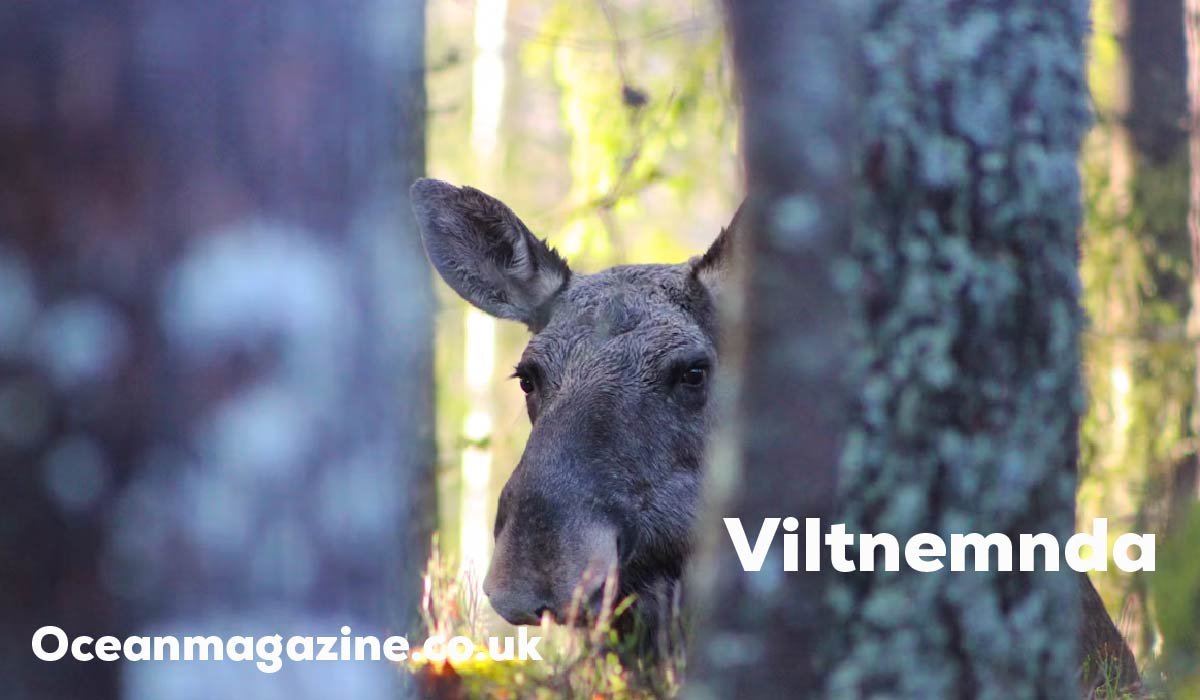
A moose runs onto a road. Deer damage young trees. Hunters need to know how many animals they can legally hunt. Who handles these issues in Norway? In many cases, the responsibility lies with the municipality and its local wildlife administration. You may also come across the word viltnemnda, which means wildlife committee.
The term can be confusing because Norway does not use the same system in every municipality. Some municipalities have a committee called viltnemnda. Others give the same duties to municipal employees, an environmental office, or another local body.
In this guide, you will learn what viltnemnda means, what local wildlife authorities do, and who to contact when you have a question about hunting, wildlife damage, or an injured animal.
What Is Viltnemnda?
Viltnemnda is a Norwegian term that usually refers to a municipal wildlife committee. Its job is to help manage local wildlife matters.
You can think of it as a link between Norway’s national wildlife laws and the situations people face in their own communities. National authorities set the main rules, while municipalities handle many practical decisions at the local level.
However, not every municipality has a separate committee called viltnemnda. Wildlife duties may instead be handled by:
- A municipal committee
- An environmental or agricultural department
- A local wildlife officer
- Municipal administrative staff
- Trained contractors who respond to injured wildlife
Because the structure varies, the best place to start is your municipality’s official website.
Local wildlife services may be useful if you are a hunter, farmer, landowner, driver, developer, or resident dealing with a wildlife-related issue.
Background and Development
Local wildlife management has a long history in Norway. Hunting has traditionally provided food and supported rural communities. It has also been used to manage populations of animals such as moose, red deer, and roe deer.
Norway previously required municipalities to have separate wildlife committees. Viltnemnder were part of the formal management system from 1952 to 1992.
Later changes gave municipalities more freedom to decide how they would organize their wildlife responsibilities. This is why the name viltnemnda is still used in some places but not in others.
Today, one municipality may have an elected wildlife committee, while another may place the same work with professional staff. The title is less important than the responsibilities assigned to the local authority.
Norway’s Wildlife Resources Act, called viltressursloven, came into force on July 1, 2026. It replaced the Wildlife Act of 1981 and updated the legal framework for hunting and wildlife management.
What Does Viltnemnda Do?
The exact duties of viltnemnda or the municipal wildlife office depend on local organization and national rules. Common responsibilities include the following.
- Managing deer populations: Municipalities help manage moose, red deer, and roe deer using hunting results, population data, land information, and local management goals.
- Approving hunting areas: The municipality may approve a vald, which is an area officially organized and accepted for hunting.
- Setting minimum land requirements: Minsteareal means the minimum amount of approved land normally needed for one hunting permit. The requirement may differ by species and municipality.
- Administering hunting permits: Local authorities may issue or manage permits that state how many animals can be hunted in an approved area.
- Reviewing population plans: A bestandsplan is a plan for managing an animal population over several years. It may include targets for the number, age, or sex of animals taken.
- Responding to injured wildlife: Municipalities arrange systems for dealing with certain injured or vehicle-struck animals. Trained search teams often carry out the work in the field.
- Addressing wildlife damage: Local authorities may advise landowners when wildlife damages crops, forests, gardens, or property.
- Collecting wildlife information: Hunting reports, animal observations, traffic collisions, and other records help authorities understand local population trends.
These tasks require local coordination because animals move across farms, forests, roads, and municipal borders.
How Local Wildlife Management Works
The process usually starts with a report, an application, or a management issue.
For example, a hunter may apply to have land approved as a hunting area. A farmer may report serious wildlife damage. Municipal staff may also review hunting results to decide whether local population goals need to change.
The municipality then checks the relevant laws, maps, records, and environmental information. Depending on the issue, it may speak with hunters, landowners, neighbouring municipalities, or wildlife specialists.
After reviewing the information, the responsible office or committee makes a decision. Some decisions are handled by municipal employees. Others may need to be considered by elected representatives.
Imagine that moose collisions are increasing on a particular road. The municipality may examine where the accidents happen, how many moose have been observed, and what recent hunting reports show.
It can then consider practical steps. These might include changing local population goals, improving cooperation with landowners, or reviewing future hunting levels.
Municipalities also use Hjorteviltregisteret, Norway’s national deer register. It contains information about hunting, fallen wildlife, slaughter weights, and indicators used to follow deer populations.
How to Contact Viltnemnda or Your Municipality
1. Define your issue
Start by deciding what kind of help you need.
Your question may concern hunting permits, an approved hunting area, wildlife damage, an injured animal, or a municipal decision. Knowing the type of issue will help you reach the correct person.
For urgent road hazards or animals hit by vehicles, contact the police rather than waiting for a municipal committee.
2. Find the correct local contact
Visit your municipality’s website and search for terms such as:
- Viltnemnd
- Viltforvaltning
- Jakt
- Fallvilt
- Landbruk
- Naturforvaltning
Your municipality may not use the word viltnemnda. The correct contact could be a wildlife officer, an agricultural department, or an environmental adviser.
3. Gather the relevant information
Write down the date, location, animal species, and a clear description of what happened.
Include photographs, maps, property details, or hunting documents when they are relevant. Never move closer to an injured or frightened animal just to take a picture.
4. Send the correct form or report
Use the municipality’s official form when one is available.
Applications involving hunting land or population plans may require maps, landowner agreements, and other supporting documents. Keep a copy of anything you submit.
5. Check the decision and deadlines
Read any formal decision carefully.
It should normally explain the outcome, the rules behind it, and whether you can appeal. Appeal deadlines may be short, so contact the municipality if anything is unclear.
Benefits of Local Wildlife Management
Decisions are based on local conditions
Wildlife conditions are not the same across Norway. One municipality may have frequent moose collisions, while another may be more concerned about deer damaging farmland.
Local management allows authorities to consider the area’s roads, forests, farms, wildlife populations, and hunting traditions.
This usually leads to more practical decisions than applying one identical approach everywhere.
Local knowledge supports better planning
Hunters, farmers, landowners, and residents often notice changes in wildlife behaviour before they appear in official reports.
They may see animals moving into new areas, repeated damage to crops, or an increase in road crossings. When this information is reported properly, it can help the municipality plan its response.
Local observations do not replace scientific evidence, but they can add useful context.
Hunting can be better organized
Approved hunting areas, reporting requirements, population plans, and permits create a clear structure for hunting.
These tools help authorities compare management goals with the number and type of animals actually taken.
Wildlife numbers can never be measured with complete certainty. Even so, an organized system makes long-term planning easier.
Injured animals can be handled properly
Municipal response systems connect reports from the public or police with trained personnel.
These teams can search for an injured animal, assess the situation, and take suitable action. This helps protect road users and reduces unnecessary suffering.
After a wildlife collision, drivers are commonly instructed to contact the police on 02800. For immediate danger to people, call 112.
Limitations and Things to Consider
The main difficulty is that wildlife management is organized differently from one municipality to another.
A person searching for viltnemnda may find a political committee in one area and a municipal employee in another. This can make the system seem more complicated than it is.
Local authorities must also balance different interests. Hunters may support one population target, while farmers, drivers, landowners, and conservation groups may prefer another.
Wildlife data is never perfect. Population estimates can be affected by animal movement, weather, disease, forestry, traffic, and incomplete reporting.
Some small municipalities may also have limited staff or specialist knowledge. In those cases, cooperation with nearby municipalities or regional authorities can be important.
Viltnemnda is not a veterinary clinic or a general emergency service. It is also not responsible for every wildlife matter.
Large predators such as wolves, bears, lynx, and wolverines are managed through separate regional and national systems.
Viltnemnda Compared With Other Wildlife Authorities
Several public bodies take part in wildlife management in Norway. Their roles are connected, but they are not the same.
Municipal wildlife authority
Viltnemnda or the municipal wildlife office handles local responsibilities. It is usually the best starting point for questions about deer management, hunting areas, population plans, and local wildlife issues.
Statsforvalteren
Statsforvalteren, known in English as the County Governor, works at the regional level.
It guides municipalities, carries out environmental duties, and handles some appeals. It also checks that local decisions follow national law.
Miljødirektoratet
Miljødirektoratet, the Norwegian Environment Agency, works at the national level.
It provides guidance, manages national wildlife systems, and carries out duties set by the government and environmental laws.
Rovviltnemnda
Rovviltnemnda is different from viltnemnda.
Rovviltnemnder are regional committees that work with large predators. Their responsibilities include species such as wolves, bears, lynx, and wolverines.
For most local questions about deer, hunting areas, or injured wildlife, your municipality is the best first contact.
Final Thoughts
Viltnemnda is part of Norway’s local wildlife management system. It is not one national organization, and it does not operate in the same way in every municipality.
Where the name is used, it usually refers to a local committee that deals with wildlife matters. Elsewhere, municipal employees or another department may perform the same work.
The main goal is to apply national wildlife rules in a way that fits local conditions. This includes managing deer populations, organizing hunting, reviewing plans, collecting information, and arranging responses to injured wildlife.
To find the right service in your area, visit your municipality’s website and look for its wildlife, agriculture, or environmental department.