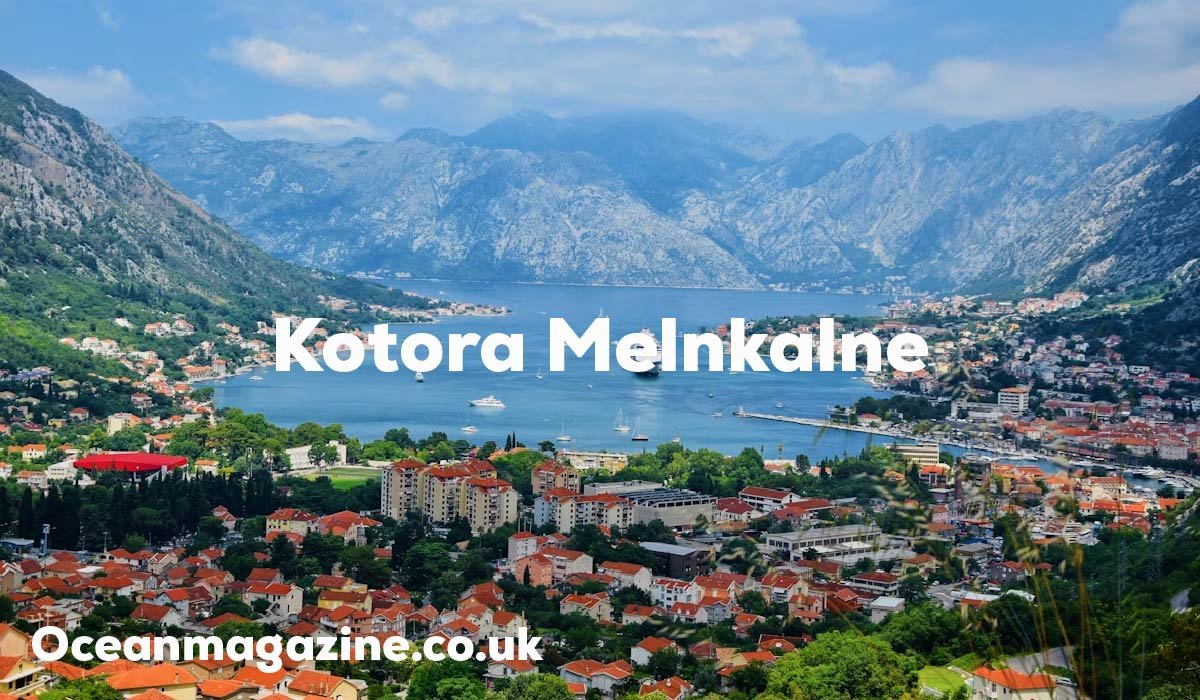
Finding clear information about Kotora Melnkalne can be confusing. Some websites describe it as a hidden destination, a cultural idea, or even a separate town. In most cases, however, the phrase appears to refer to Kotor, Montenegro.
Kotor is a historic coastal town on the Bay of Kotor. It is known for its stone streets, fortified Old Town, mountain views, churches, and maritime past.
In this guide, you will learn what Kotora Melnkalne means, where it is located, what you can do there, and what to consider before planning a visit.
What Is Kotora Melnkalne?
Kotora Melnkalne is an informal name used online in connection with Kotor, Montenegro. It is not the official name of a separate city or region.
You are unlikely to see “Kotora Melnkalne” on road signs, airline schedules, government websites, or official maps. When booking a hotel, checking transport, or searching for directions, use the official name: Kotor, Montenegro.
The word “Kotora” seems to be a creative form of Kotor. “Melnkalne” is linked to the Latvian name for Montenegro, which can be understood as “Black Mountain.”
Together, the words create a poetic name for Kotor and its mountain setting. Think of it as a descriptive online phrase rather than an official place name.
The term may be useful for:
- Travelers researching Kotor and the Bay of Kotor
- Readers who have seen the phrase on blogs or social media
- Visitors interested in history, scenery, food, and walking
- Remote workers considering a stay in Montenegro
The Background of Kotora Melnkalne
There is limited reliable information about the exact origin of the phrase Kotora Melnkalne. It does not appear to be a traditional historical name for Kotor or an official tourism brand.
The place behind the phrase, however, has a long and well-recorded history.
Kotor developed around a protected natural harbour on the Adriatic coast. Its location made it useful for trade, travel, and defence. Over the centuries, the town was influenced by Roman, Byzantine, Venetian, Austro-Hungarian, and local Balkan rule.
These influences can still be seen in its churches, palaces, defensive walls, and public squares.
The Natural and Culturo-Historical Region of Kotor became a UNESCO World Heritage Site in 1979. The protected area includes the Old Town, its fortifications, and the surrounding bay landscape.
What Makes Kotor Special?
Kotor is popular because several different experiences are packed into a small area. You can explore old buildings, walk beside the water, climb above the town, and visit nearby coastal villages during the same trip.
Kotor Old Town
The Old Town is the main historic area. It is surrounded by walls and filled with narrow lanes, stone buildings, churches, palaces, cafés, and small squares.
Most of the area is explored on foot. The streets can feel like a maze, but getting slightly lost is part of the experience.
Historic City Walls
Kotor’s defensive walls surround the Old Town and continue up the mountain behind it. They were built and expanded over many centuries.
Some parts can be explored on foot. The higher routes offer wide views of the bay, but the climb can be steep and tiring.
St. Tryphon’s Cathedral
St. Tryphon’s Cathedral is one of Kotor’s best-known landmarks. The Roman Catholic cathedral dates back to the 12th century, although it has been repaired and changed after earthquakes.
Visitors come to see its architecture, religious art, and place in Kotor’s history.
Maritime Museum
Kotor has a strong connection with shipping and sea trade. The Maritime Museum explains this history through documents, clothing, paintings, weapons, ship models, and other objects.
It is a useful stop when you want to understand how the bay shaped local life.
The Bay of Kotor
The Bay of Kotor is surrounded by steep mountains and historic settlements. It is sometimes called a fjord because of its appearance, but it was not formed by glaciers.
You can explore it by boat, road, or on foot. Popular stops around the bay include Perast, Dobrota, and Tivat.
Kotor–Lovćen Cable Car
The cable car connects the area near Kotor with the slopes of Mount Lovćen. It gives visitors a quicker way to reach higher ground and enjoy views over the bay.
Opening times, ticket prices, and services may change, so check current information before your visit.
How a Visit to Kotora Melnkalne Works
Most visits begin in Kotor Old Town. You enter through one of the historic gates and explore the central streets on foot.
From there, you can choose activities based on your time and interests.
History lovers may visit churches, museums, and old palaces. Active travelers may climb the fortifications or explore nearby mountain areas. Those who prefer a slower trip can sit beside the bay, take a boat ride, or visit Perast.
A simple two-day visit could look like this:
On the first day, explore the Old Town, visit the cathedral, and spend time in the Maritime Museum. In the evening, walk along the waterfront or have dinner in one of the nearby neighbourhoods.
On the second day, choose a boat trip, a cable-car ride, a fortress walk, or a visit to Perast.
How to Plan Your Visit
- Search for Kotor, Montenegro.
Use the official name when checking flights, hotels, buses, maps, and entry rules. Searching only for Kotora Melnkalne may lead to unclear or unreliable information. - Check current entry requirements.
Visa and passport rules depend on your nationality and length of stay. Use official government or embassy sources because these requirements can change. - Choose the right area to stay.
Stay inside the Old Town if you want atmosphere and easy access to historic sights. Consider Dobrota or another nearby area if you prefer more space, waterfront accommodation, or easier parking. - Wear comfortable shoes.
Many streets are paved with smooth stone. Some routes also include steep steps and uneven surfaces. - Plan climbs for cooler hours.
Mountain and fortress walks can be difficult in hot weather. Start early, carry water, and take breaks. - Confirm visitor registration.
Foreign guests may need to be registered during their stay. Hotels and licensed accommodation providers usually handle this, but it is worth asking. - Check transport before day trips.
Bus, taxi, boat, and tour schedules can change by season. Confirm return times before leaving Kotor.
Main Benefits of Visiting Kotora Melnkalne
You Can Explore It on Foot
Kotor’s main historic sights are close together. You do not need a car to walk around the Old Town.
This makes it suitable for short visits. You can see churches, squares, old houses, gates, and museums in a single day without rushing between distant areas.
You Get History and Nature Together
Kotor offers both cultural sights and outdoor scenery. The Old Town sits between the bay and the mountains, so the landscape is always part of the experience.
You might spend the morning visiting a cathedral and the afternoon taking a boat ride or walking above the town.
It Works for Different Travel Styles
Kotor can suit couples, solo travelers, families, photographers, history lovers, and hikers.
You can plan an active trip with climbs and day tours, or keep things simple with short walks, meals, and time beside the water.
It Is a Useful Base for Day Trips
Several popular places are within reach of Kotor. Perast is known for its quiet waterfront and historic buildings, while Budva offers beaches and a livelier atmosphere.
Tivat, Herceg Novi, Lovćen National Park, and other parts of the bay can also be added to a longer stay.
Limitations and Things to Consider
Kotor is often described as a quiet hidden gem, but that is not always accurate. The Old Town can become very busy during the main summer season, especially when cruise ships arrive.
Crowds can make the narrow streets feel packed. Visiting early in the morning or later in the day may provide a calmer experience.
The terrain may also be difficult for some visitors. Stone paving, steps, steep paths, and limited vehicle access can create problems for people with reduced mobility.
Accommodation and food costs vary. Prices are usually higher in central, waterfront, and Old Town locations during busy months. Staying outside the historic centre may offer better value.
You should also be careful with online information about Kotora Melnkalne. Before making plans, ask:
- Is the information really about Kotor, Montenegro?
- Is the source recent and reliable?
- Are opening times and ticket prices current?
- Is the accommodation legally registered?
- Is the planned walk suitable for your fitness level?
- Will the area be crowded during your visit?
Kotora Melnkalne Compared With Other Destinations
Kotor vs. Budva
Kotor is better known for its fortified Old Town, bay setting, and historic atmosphere. Budva is more closely linked with beaches, nightlife, and larger resort areas.
Choose Kotor if your main interests are architecture, walking, scenery, and history. Choose Budva if you want a more active beach holiday.
Kotor vs. Dubrovnik
Both Kotor and Dubrovnik have old stone centres and strong maritime histories.
Dubrovnik is larger, more famous, and has more extensive tourism infrastructure. Kotor is smaller and surrounded more closely by mountains and sheltered water.
Dubrovnik may suit travelers who want a major historic city. Kotor may appeal to those who prefer a compact town with easy access to the bay and nearby mountains.
Kotor vs. Perast
Perast is smaller and quieter than Kotor. It has a calm waterfront, old buildings, and views of the bay’s islands.
Kotor offers more restaurants, museums, transport links, and accommodation choices. Perast may be better for a peaceful day trip or a slower stay.
Final Thoughts
Kotora Melnkalne is best understood as an informal name for Kotor, Montenegro. It is not a separate destination, so you should use the official name when making travel plans.
Kotor is worth considering if you enjoy old towns, mountain views, coastal scenery, and places that are easy to explore on foot. It offers plenty to see, but you should plan around crowds, heat, steep walking routes, and seasonal prices.
Your next step is simple: search for current information about Kotor, Montenegro, then choose the travel dates and activities that match your budget, interests, and fitness level.