Some outfits feel too casual for work but too formal for everyday plans. You may want to look polished without wearing a stiff suit jacket or feeling overdressed. That is where a blazertje can help. It gives you the neat shape of a blazer but usually feels softer, lighter, and easier to wear.
You can pair one with jeans, trousers, skirts, dresses, or a simple T-shirt. In this guide, you will learn what a blazertje is, why people like it, how to choose the right style and fabric, and how to wear it for different occasions.
What Is a Blazertje?
A blazertje is a lighter and often more relaxed version of a traditional blazer. The word comes from Dutch, where “-tje” is used to make a word sound smaller or more approachable. In simple terms, it means “little blazer.”
Most blazertjes still have familiar blazer details, such as lapels, buttons, sleeves, and pockets. The difference is that they often have less padding, lighter lining, softer fabric, or a more casual cut.
You can think of a blazertje as the middle ground between a formal blazer and a cardigan. It looks more polished than a sweater but usually feels less stiff than a suit jacket.
It can be useful for work, travel, dinners, casual events, and days when you want a simple outfit to look more put together.
Why Is the Blazertje Becoming Popular?
Many dress codes are now more relaxed than they once were. People often need clothes that work for both professional and casual settings.
A blazertje fits that need because it can change the feel of an outfit without requiring much effort. You can wear the same jacket with tailored trousers for work and jeans for dinner.
Comfort also plays a part. Traditional blazers may have firm shoulders, heavy lining, and thicker fabric. A blazertje often uses lighter materials and softer construction, making it easier to wear for several hours.
It also suits different personal styles. You can choose a fitted design, an oversized shape, a cropped cut, or a patterned version, depending on how you like to dress.
Main Types of Blazertjes
Blazertjes come in several styles. The right one depends on your body shape, wardrobe, climate, and how formal you want to look.
- Classic fitted blazertje: This style follows the shape of your body without feeling too tight. It works well for offices, meetings, dinners, and smart-casual events.
- Oversized blazertje: An oversized design has a wider body and more room through the shoulders. It pairs well with fitted tops, straight jeans, leggings, or narrow trousers.
- Cropped blazertje: A cropped style ends near the waist. It often looks balanced with high-waisted trousers, skirts, and dresses.
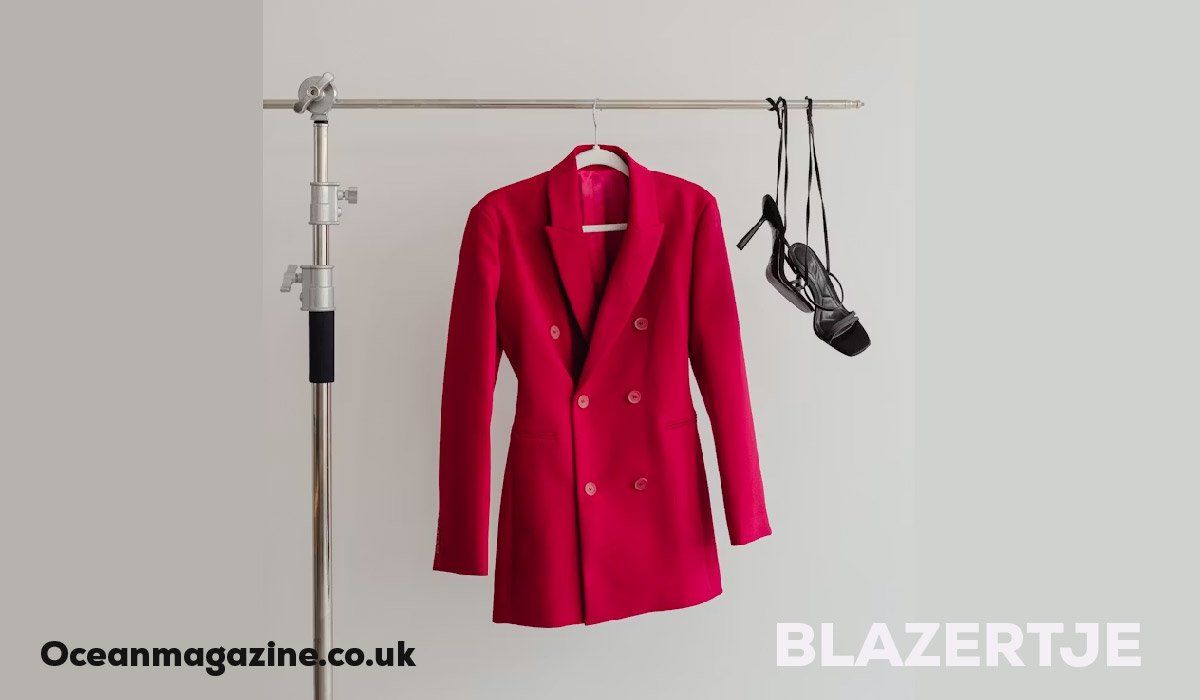
- Double-breasted blazertje: This version has overlapping front panels and two rows of buttons. It creates a stronger and more structured look.
- Knit or jersey blazertje: A knit blazertje is soft and flexible. It may feel like a cardigan while still giving your outfit a neater shape.
- Patterned blazertje: Checks, stripes, and houndstooth can make a simple outfit more interesting. They usually work best with plain clothing underneath.
How a Blazertje Changes an Outfit
A blazertje adds shape and clear lines to your upper body. The shoulders help define your frame, while the open front creates a vertical line that can make an outfit look cleaner and more balanced.
Think of it as a frame around a picture. A plain T-shirt and jeans may already be comfortable, but adding a blazertje makes the outfit look more complete.
The fabric, colour, and length affect the final look. A dark wool-blend style usually feels more formal than a pale linen one. A cropped blazertje can look modern and sharp, while a longer oversized version feels more relaxed.
This flexibility is what makes the blazertje easy to use. You can change the mood of the same jacket by switching your top, trousers, shoes, or accessories.
How to Choose and Wear a Blazertje
1. Decide where you will wear it
Think about your normal routine before choosing a style. For work and everyday events, a simple blazertje in navy, black, grey, beige, or brown may be the easiest option.
For occasional wear, you may prefer a brighter colour, rich texture, or noticeable pattern.
2. Check the shoulders
The shoulder seam should usually sit close to the edge of your natural shoulder. The fabric should not collapse inward or stick out in a stiff point.
Oversized styles are meant to sit wider, but they should still look intentional rather than poorly fitted.
3. Button the jacket
Fasten the front and check for pulling around the button. Strong creases or an X-shaped line may mean the jacket is too tight across your chest or waist.
You should be able to button it without holding your breath or feeling restricted.
4. Test your movement
Reach forward, lift your arms, and gently hug yourself. The jacket should move with you without strong pressure across your back, shoulders, or underarms.
A blazertje that looks good but limits movement will probably spend most of its time in your closet.
5. Choose a useful length
A mid-hip length is easy to wear with most outfits. Cropped styles work well with high-waisted bottoms, while longer blazertjes can look balanced with slim or straight clothing underneath.
Your height does not have to decide the length for you. Focus on the proportions you prefer and the clothes you already own.
6. Start with a simple base
Wear the blazertje over a plain T-shirt, shirt, blouse, or fine knit. Pair it with jeans, trousers, a skirt, or a simple dress.
Keeping the base outfit simple allows the jacket to add structure without making the look feel busy.
7. Match your shoes to the occasion
Sneakers make a blazertje feel casual and modern. Loafers, flats, ankle boots, or heels create a smarter finish.
You do not need formal shoes unless the setting calls for them.
8. Consider small alterations
A tailor may be able to shorten the sleeves, adjust the waist, or improve the hem length. These small changes can make an off-the-rack jacket look much better.
Major shoulder alterations are more difficult, so get the shoulder fit right before buying.
Main Benefits of a Blazertje
It Makes Basic Outfits Look More Polished
A blazertje can improve a simple outfit without requiring many accessories. For example, you can wear one over a white T-shirt and straight-leg jeans for lunch, a casual meeting, or an evening out.
This makes it useful on days when you want to get ready quickly but still look well dressed.
It Works for Different Dress Codes
A neutral blazertje can move between casual and professional settings. You might wear it with tailored trousers during the day and switch to jeans later.
This can be helpful when you have work and personal plans on the same day.
It Can Feel More Comfortable Than a Formal Blazer
Many blazertjes have soft shoulders, partial lining, stretch fabric, or a relaxed cut. These features can make them more comfortable than a traditional structured jacket.
Comfort still depends on the individual garment. Always check the fabric, lining, size, and cut before buying.
It Can Be Worn in Different Seasons
The right fabric can make a blazertje useful throughout the year. Linen and lightweight cotton are better suited to warm weather, while wool blends, tweed, velvet, and lined materials offer more warmth.
You can also change what you wear underneath. A light top works well in spring, while a fine knit can add warmth during cooler months.
It Adds More Outfit Options to Your Wardrobe
A well-chosen blazertje can work with many clothes you already own. A navy, black, beige, or grey jacket may pair with denim, trousers, skirts, dresses, and simple shirts.
Before buying, try to picture at least three complete outfits you could make with it. This can help you avoid buying something that looks good in the shop but does not suit your wardrobe.
Fabrics to Consider
The fabric affects the comfort, appearance, and care needs of your blazertje.
Linen
Linen feels light and breathable, making it useful in warm weather. It creases easily, so choose it if you are comfortable with a slightly relaxed appearance.
Cotton
Cotton blazertjes often look crisp but casual. They work well with denim, chinos, dresses, and other everyday clothing.
Wool and Wool Blends
Wool can provide warmth and hold its shape well. Lightweight wool may work in mild weather, while thicker wool is better for colder months.
Always check the care label because some wool garments require dry cleaning.
Jersey and Ponte
Jersey and ponte are soft knit fabrics that often have some stretch. They can be a good choice if comfort and movement are your main concerns.
They may look less formal than a structured wool blazer, but they are often easier to wear during long days.
Velvet
Velvet has a richer texture and is often worn for dinners, parties, or evening events. It can look elegant, but it may require more careful cleaning and storage.
Possible Limitations and Things to Consider
A blazertje is versatile, but it is not right for every situation. A formal workplace, ceremony, or event may require a matching suit or a more traditional blazer.
Fit can also be difficult. An oversized style may look relaxed on one person but feel bulky on another. A cropped jacket may work well with high-waisted clothing but may not provide enough coverage for everyone.
Some fabrics also need more care. Linen wrinkles easily, wool may require professional cleaning, and velvet can be delicate. Light-coloured jackets may also show marks more quickly than darker ones.
Before buying, ask yourself:
- Can I wear it with at least three outfits I already own?
- Is the fabric suitable for my local weather?
- Can I move comfortably in it?
- Am I willing to follow the care instructions?
- Will it need alterations?
- Is it appropriate for the places where I plan to wear it?
These questions can help you choose a jacket you will actually use.
Blazertje Compared With Other Jackets
Blazertje vs. Traditional Blazer
Both garments have a tailored shape and may include lapels, buttons, and pockets. The main difference is usually the amount of structure.
A traditional blazer may have firmer shoulders, heavier fabric, and more lining. It can be a better choice for formal workplaces or events.
A blazertje is often softer and easier to combine with casual clothes. It may suit you better if you want one jacket for both work and weekends.
Blazertje vs. Suit Jacket
A suit jacket is made to match a specific pair of trousers or a skirt. Its fabric, colour, and cut are part of a complete suit.
A blazertje is normally sold and worn as a separate item. It is easier to mix with jeans, dresses, and different trousers, but it may not be formal enough when a full suit is expected.
Blazertje vs. Cardigan
A cardigan is usually softer, lighter, and less structured. It is a practical choice when warmth and comfort matter more than a sharp outline.
A blazertje gives your shoulders and upper body more definition. It may be the better option when you want a comfortable layer that still looks polished.
Blazertje vs. Denim Jacket
A denim jacket is casual, durable, and easy to wear. It works well for weekends, travel, and informal plans.
A blazertje can suit a wider range of dress codes. However, a denim jacket may be more practical when easy washing and durability are your main concerns.
Final Thoughts
A blazertje is a relaxed version of the classic blazer. It gives an outfit structure without always feeling as formal or restrictive as a suit jacket.
The best choice is one that fits your shoulders, allows comfortable movement, and works with clothes you already own. A neutral mid-hip style is often a practical starting point because it can be worn in many ways.
Try the jacket with a typical outfit before buying it. Button it, move your arms, check the fabric and care label, and think about where you will wear it. A blazertje is most useful when it fits your real routine rather than an imagined occasion.