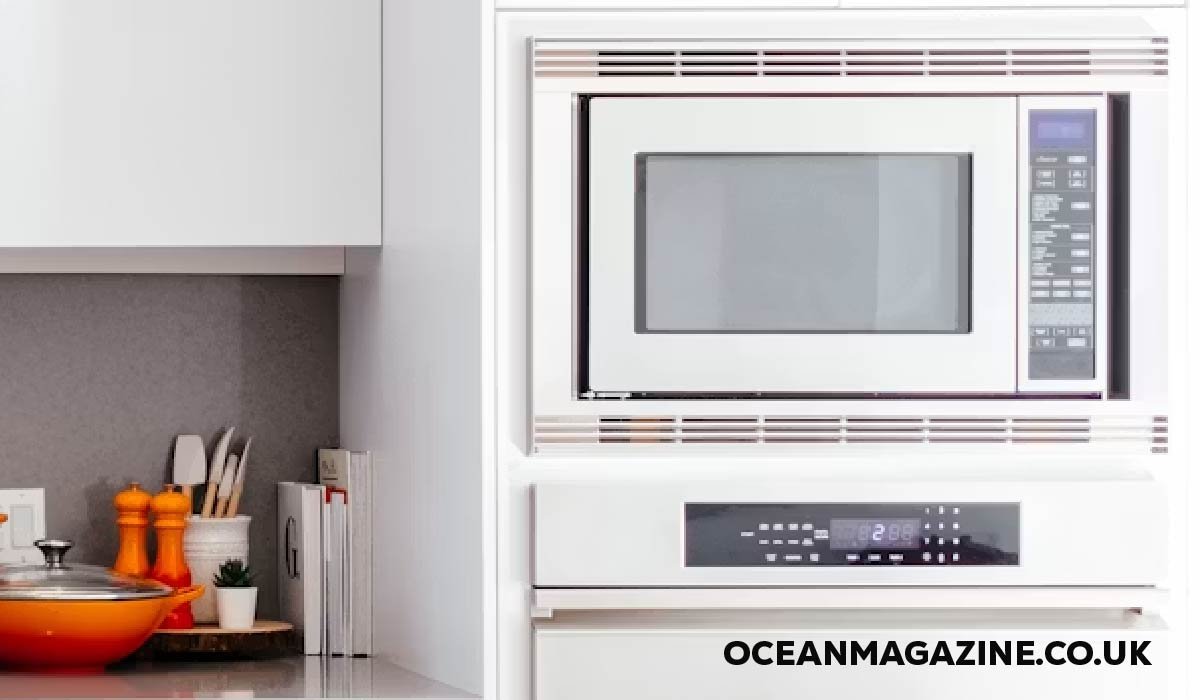
You may have seen the word “Microwey” online and wondered what it means. Is it a new appliance, a brand, or simply another way of writing “microwave”?
The answer is not completely clear. Microwey does not appear to be a widely recognised technical term or a standard category of kitchen appliance. In many cases, people use it as an alternative spelling, a search term, or a name for the idea of a smarter microwave oven.
This article explains what Microwey most likely refers to, how microwave cooking works, what it can be used for, and what you should check before buying a product sold under this name.
What Is Microwey?
Microwey is an informal term linked to microwave ovens and microwave cooking. It may be a misspelling of “microwave,” a keyword used on websites, or a name given to a modern microwave-style appliance.
Most people searching for Microwey are looking for information about an appliance that can:
- Reheat cooked food
- Defrost frozen ingredients
- Warm drinks
- Cook simple meals
- Reduce cooking time
It is best to think of Microwey as a general label rather than a clearly defined technology.
Some websites describe Microwey as a smart appliance with sensors, app controls, or automatic cooking programs. These features may exist in modern microwave ovens, but you should not assume that every product called Microwey includes them.
Always check the actual model, manufacturer, user manual, and product specifications.
Why Is Microwey Becoming Popular?
Microwey is becoming more visible because it is closely connected to a common kitchen need: fast and simple cooking.
Many people want appliances that save time, take up little space, and are easy to use. Microwave ovens already meet many of these needs. They are useful for students, office workers, families, and anyone who does not want to heat a full oven for a small meal.
The word may also attract attention because smart kitchen appliances are becoming more common. Newer microwave ovens can include sensors, preset menus, touch controls, and several cooking modes.
However, there is still limited reliable information showing that Microwey is a separate product category. You should judge each appliance by what it actually offers, not by the name alone.
Common Types and Features Linked to Microwey
Because Microwey is not a standard appliance type, the features can differ from one product or description to another.
Most references point to the following kinds of microwave ovens.
Solo microwave
A solo microwave is mainly used for reheating, defrosting, and basic cooking.
It may be enough for you if you only need to warm leftovers, heat drinks, or prepare simple foods.
Grill microwave
A grill microwave includes an extra heating element.
This can help brown or crisp the top of certain foods. It may be useful for toast, grilled sandwiches, or dishes that need more colour and texture.
Convection microwave
A convection microwave combines microwave energy with hot air.
This allows it to handle more cooking tasks, including some baking and roasting. It is often more flexible than a basic microwave, but it may also cost more and require more counter space.
Sensor cooking
Some microwaves use sensors to detect steam or moisture while food is heating.
The appliance may then adjust the cooking time automatically. This can reduce guesswork, although results will still depend on the food, portion size, and container.
Inverter power control
Some microwave ovens use inverter technology to provide a steadier level of power.
A standard microwave may switch full power on and off when you choose a lower setting. An inverter model can deliver energy more gradually, which may help with gentle heating and defrosting.
Preset programs
Preset programs provide suggested settings for common foods such as popcorn, drinks, potatoes, or frozen meals.
They are convenient, but they are not always exact. You may still need to adjust the time based on the amount of food and its starting temperature.
How Microwey Technology Works
A microwave oven uses electromagnetic energy to heat food.
A part called a magnetron produces microwaves inside the metal cooking chamber. These waves move through the food and transfer energy to water and other molecules.
This movement creates heat.
Unlike a conventional oven, which first heats the air around the food, a microwave sends energy more directly into the food. This is one reason it can work quickly.
However, microwave heating is not always even. The shape, thickness, moisture, and position of the food all affect the result.
For example, a thick bowl of soup may become hot around the edges while the centre remains cooler. Stirring the soup and letting it rest after heating helps spread the heat more evenly.
How to Use a Microwey or Microwave Oven
1. Read the instructions
Start by checking the appliance manual.
Look for information about power levels, cooking modes, suitable containers, cleaning, and safety. Do not assume that advice for one microwave applies to every model.
2. Choose a microwave-safe container
Use cookware clearly marked as microwave-safe.
Glass and ceramic dishes are often suitable, but some plastics can soften or release unwanted substances when heated. Avoid metal unless the manufacturer specifically says it is safe to use.
3. Arrange the food evenly
Spread the food into an even layer when possible.
Place thicker pieces near the outside of the dish. This can help them heat more evenly.
4. Cover the food loosely
Use a microwave-safe cover or a vented lid.
Covering food can reduce splashes and help retain moisture. Do not tightly seal the container, because pressure may build up inside it.
5. Start with a short cooking time
Use less time than you think you need.
You can always heat the food for another 20 or 30 seconds. Starting with a shorter time lowers the risk of drying out or burning the food.
6. Stir or turn the food
Pause halfway through heating when possible.
Stir soups, sauces, rice, and mixed meals. Turn larger pieces so that different areas receive heat.
7. Let the food rest
Allow the food to stand for a short time after heating.
The heat continues to move through the food even after the microwave stops. This resting time can help reduce cold spots.
8. Check the temperature
Test more than one part of the food before eating.
The surface may feel hot while the centre is still cold. When cooking meat, poultry, or other foods where temperature matters, use a food thermometer.
Main Benefits of Microwey-Based Cooking
It saves time
A microwave can reheat a meal much faster than a full-size oven.
This is useful when you are preparing breakfast, warming lunch, or reheating leftovers after work.
The exact time depends on the food, portion size, container, and appliance power. Be cautious of claims that a Microwey can cook every type of meal within the same short period.
It is easy to use
Most microwave ovens have simple controls.
You usually need to choose a power level and cooking time. Preset programs can make common tasks even easier.
This may be helpful for beginners, students, older users, or anyone with limited cooking experience.
It produces less kitchen heat
A microwave does not need to heat a large oven cavity before cooking.
This can make your kitchen more comfortable, especially during hot weather. It also makes sense when you only need to heat one plate of food.
It helps with defrosting
A microwave can thaw frozen food more quickly than leaving it in the refrigerator.
Using a lower power setting and pausing to turn the food can help prevent the edges from cooking too soon.
Meat or poultry thawed in a microwave should usually be cooked straight away because some areas may already have started to warm.
It may use less energy for small meals
A microwave may use less energy than a conventional oven for small portions because it cooks more quickly and does not require preheating.
This does not mean it is always the cheapest option. Energy use depends on the appliance, cooking time, food quantity, and local electricity rates.
Possible Limitations and Things to Consider
A microwave cannot produce the same results as every other cooking method.
A basic model may heat food well but may not make it brown or crisp. Bread, pastry, and fried foods can become soft after microwave heating.
Uneven heating is another common issue. Thick, dense, or irregularly shaped food may contain cold spots. Stirring, turning, covering, and resting the food can improve the result.
Before buying, consider:
- The internal capacity
- The space available in your kitchen
- The power level
- The cooking modes
- The ease of cleaning
- The warranty
- Repair and spare-part support
- Child-lock features
- Ventilation requirements
- Whether smart features are genuinely useful to you
You should also inspect the appliance carefully.
Do not use a microwave with a damaged door, hinge, latch, or seal. Avoid heating sealed containers, whole eggs in their shells, and materials that are not microwave-safe.
Be especially careful when buying a product advertised specifically as Microwey. Ask for the manufacturer’s name, model number, electrical rating, warranty terms, and user manual.
If the seller cannot provide clear details, a recognised microwave brand may be a safer choice.
Microwey Compared With Other Cooking Options
Microwey versus a standard microwave
There may be no real difference if Microwey is simply another name for a microwave oven.
Compare the actual capacity, power, features, controls, and warranty instead of focusing on the label.
A product described as a smart Microwey may include sensors or connected controls, but you should confirm these features before buying.
Microwave versus conventional oven
A microwave is usually better for quick reheating, defrosting, and small meals.
A conventional oven is better for baking, roasting, browning, and crisping. It uses dry heat around the food, which produces a different texture.
Many people use both because each appliance serves a different purpose.
Microwave versus air fryer
An air fryer uses moving hot air to crisp food.
It may be a better choice for chips, breaded foods, or small baked items. A microwave is usually faster for soups, rice, curry, drinks, and leftovers.
Your choice depends on the result you want.
Microwave versus stovetop
A stovetop gives you more control when frying, simmering, stirring, or reducing sauces.
A microwave needs less supervision for many simple heating jobs. It may be more convenient when you are warming a single portion.
For example, a pan may be better for preparing a sauce, while a microwave is often easier for reheating yesterday’s dinner.
Final Thoughts
Microwey is not a clearly defined technical term or appliance category. It is usually linked to microwave ovens, microwave cooking, or the idea of a smarter microwave appliance.
The name matters less than the product itself. Before buying, check the manufacturer, model, power, capacity, cooking modes, safety instructions, warranty, and customer support.
Your next step is to decide what you need the appliance to do. A basic solo microwave may be enough for reheating and defrosting. A grill or convection model may suit you better if you also want browning, baking, or roasting.