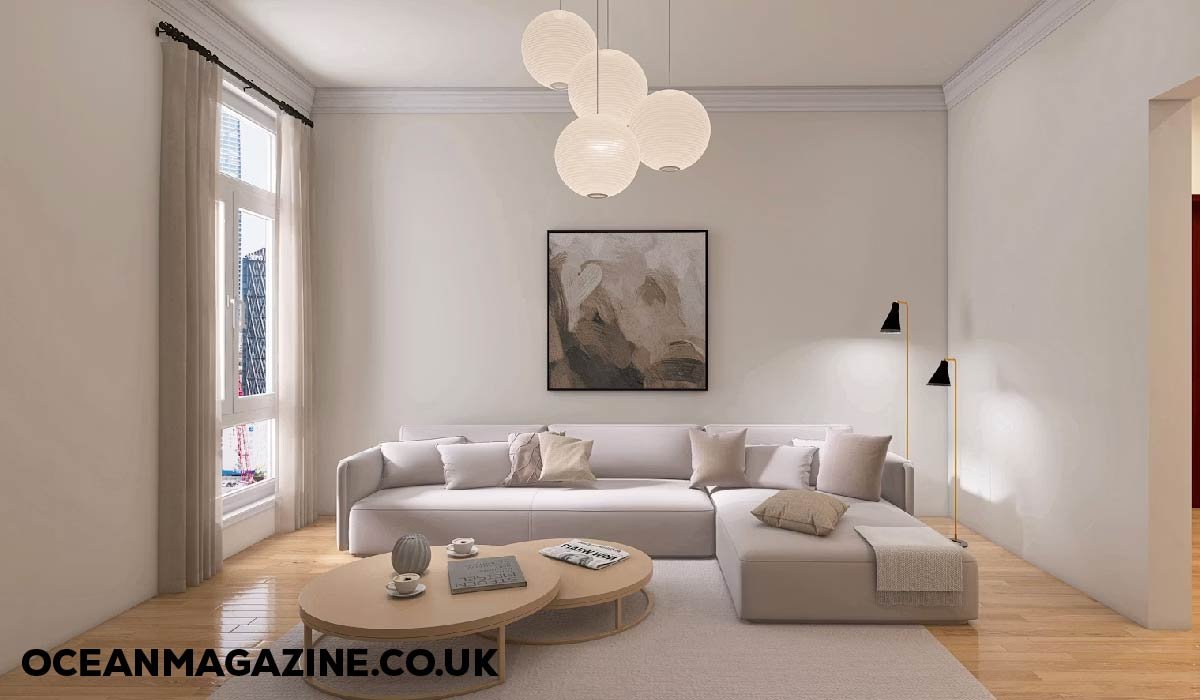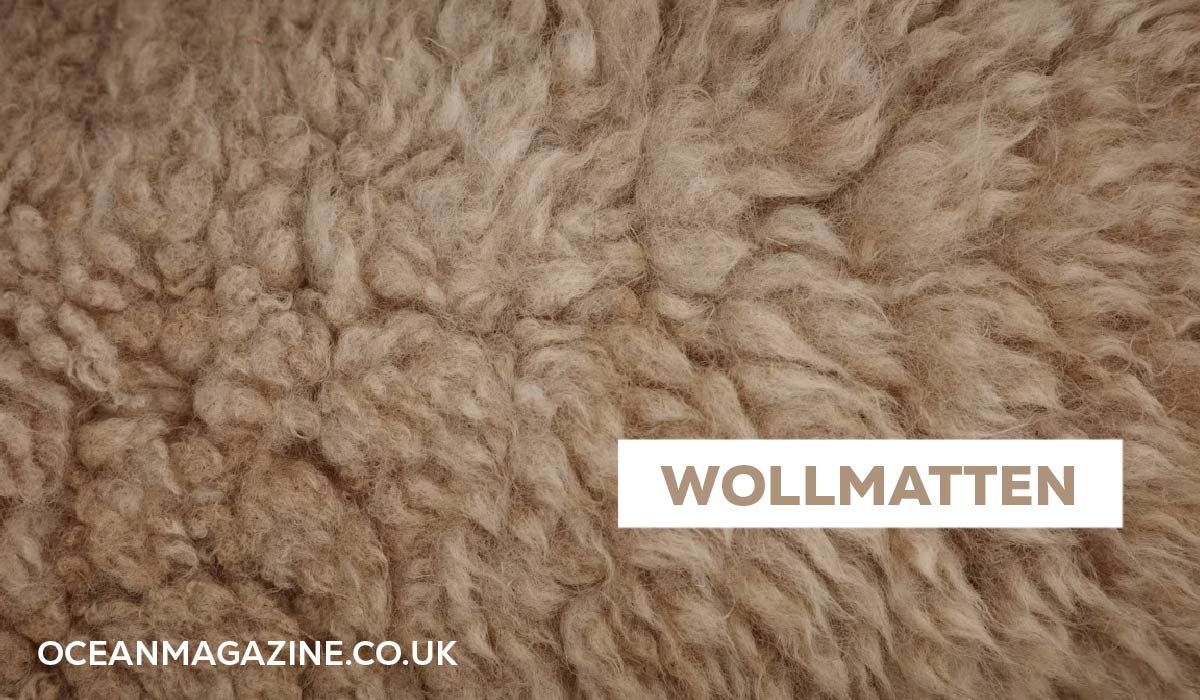
Cold floors can make a comfortable room feel less inviting. Hard surfaces may also feel unpleasant under your feet, create more echo, or make a space look unfinished. A wool mat can help with all three problems. Wollmatten is the German word for wool mats. The term can describe many products, including small felt pads, decorative floor mats, woven rugs, and mats made for yoga or meditation.
The quality and purpose of each mat can vary. Some are soft and decorative, while others are firm and practical. In this guide, you will learn what Wollmatten are, how they are made, where you can use them, and what to check before buying one.
What Are Wollmatten?
Wollmatten are mats made fully or partly from wool. The wool may be woven, felted, pressed, or attached to a backing material.
In simple terms, a Wollmatte is a wool-based surface used for comfort, decoration, floor protection, warmth, or support. Some are designed for the home, while others are made for exercise, crafts, furniture protection, or specialist uses.
You can think of a Wollmatte as a smaller and more focused version of a wool carpet. Instead of covering a whole room, it is usually placed in a specific area where extra warmth, softness, or protection is needed.
Wollmatten may suit homeowners, renters, crafters, yoga users, and anyone who prefers natural materials. People often choose them because wool feels warm, has a natural texture, and can last well when cared for properly.
Why Are Wollmatten Becoming Popular?
Wool mats have been used for a long time in places where sheep farming and wool production were common. People used them to make floors, sleeping areas, and living spaces warmer and more comfortable.
Today, many buyers are once again interested in natural materials. Some want to reduce their use of plastic-based products, while others simply prefer the look and feel of wool.
Wollmatten also fit many interior styles. A plain wool mat can suit a modern room, while a patterned or handwoven mat may work well in a traditional space.
However, a wool mat is not automatically an environmentally friendly choice. Its overall impact depends on how the wool was produced, how the mat was dyed, what backing materials were used, and how far it was transported.
Main Types of Wollmatten
Wollmatten come in several forms. Knowing the basic types makes it easier to choose the right one.
- Felted wool mats: These are made by pressing wool fibers together. They are usually dense and firm, which makes them useful for floors, crafts, padding, and furniture protection.
- Woven wool mats: Wool yarn is woven into a flat or slightly raised surface. These mats often have a neat finish and may include simple or detailed patterns.
- Tufted wool mats: Wool yarn is pushed through a backing to create a thicker surface. These mats often feel softer but may need more careful cleaning.
- Wool-blend mats: Wool is mixed with cotton, jute, polyester, or another fiber. A blend may be cheaper or easier to maintain, but it may not feel or perform like a mat made from pure wool.
- Yoga and meditation mats: These are made to provide a soft and warm surface for stretching, sitting, or gentle movement. Grip levels vary, so they may not suit fast or demanding exercise.
- Decorative floor mats: These are mainly used to add warmth, color, and texture to a room. They come in many sizes, patterns, and pile heights.
How Do Wollmatten Work?
Wool fibers are naturally wavy. These small waves create tiny spaces that trap air inside the mat.
The trapped air can reduce the amount of heat that passes through the surface. This is why a wool mat often feels warmer than bare tile, stone, or wood.
Wool also provides cushioning. When you step or sit on the mat, the fibers compress slightly. The level of comfort depends on the thickness, density, and construction of the mat.
A Wollmatte can also soften everyday noise. Hard floors reflect sound, while soft materials absorb some of it. A wool mat may reduce the sound of footsteps or make a room feel less echoey.
This does not mean that a small wool mat will soundproof a room. It may help with basic noise control, but it is not a replacement for proper acoustic treatment.
Wool can also take in and release some moisture from the air. However, this does not make every wool mat suitable for wet areas. If a mat becomes soaked, it may dry slowly, smell unpleasant, or lose its shape.
How to Use Wollmatten
1. Choose the right type
Start by deciding what you need the mat for. You may want extra warmth, floor protection, decoration, exercise support, or a surface for crafts.
A decorative mat may look attractive but may not provide enough grip for yoga. In the same way, a firm felt mat may not feel soft enough beside a bed.
2. Measure the space
Measure the length and width of the area where you want to place the mat. This helps you avoid buying one that is too large or too small.
Check the height as well if the mat will sit near a door. A thick mat may stop the door from opening properly.
3. Clean the floor
Sweep or vacuum the floor before placing the mat. Small pieces of grit trapped underneath may scratch wood, laminate, or other delicate surfaces.
Make sure the floor is dry. Moisture under the mat can damage both the floor and the wool.
4. Use a non-slip underlay
Some Wollmatten can slide on smooth floors. A suitable non-slip pad can help keep the mat in place.
Check that the underlay is safe for your flooring. Some backing materials may mark vinyl, sealed wood, or other sensitive finishes.
5. Position it carefully
Place the mat so that the edges lie flat. Try to keep loose corners away from busy walkways.
A curled or raised edge can become a tripping hazard, especially in homes with children, older adults, or pets.
6. Rotate the mat
Turn the mat from time to time. This helps spread wear more evenly.
Rotation can also reduce uneven fading if one side receives more sunlight than the other.
7. Deal with spills quickly
Blot spills with a clean, absorbent cloth. Do not scrub hard, as this may spread the stain or damage the fibers.
Follow the cleaning instructions provided with the mat. Wool products do not all respond to cleaning in the same way.
Main Benefits of Wollmatten
They Make Hard Floors Feel Warmer
A Wollmatte creates a layer between your feet and a cold floor. This can make bedrooms, reading areas, and living rooms feel more comfortable.
For example, a small wool mat beside your bed can make cold mornings easier without the cost of covering the whole room.
They Add Softness and Comfort
Wool has a natural texture that can make a hard surface feel more pleasant. A thick, well-made mat may also provide some support when you stand or sit on it.
The feel depends on the type of wool. Fine wool is usually softer, while coarser fibers may feel rougher against bare skin.
They Can Reduce Everyday Noise
Wollmatten may reduce the sharp sound of footsteps on wood, tile, or laminate. They can also help make a room feel less empty or echoey.
This may be useful in apartments, hallways, home offices, or rooms with very little soft furniture.
They Can Last for Years
A well-made wool mat can hold up well with regular care. Wool fibers can bend without breaking easily, which helps the surface recover after being stepped on.
Durability still depends on the construction. A dense woven mat will usually handle heavy foot traffic better than a delicate decorative design.
They Work With Many Interior Styles
Wollmatten are available in simple natural shades, strong colors, and patterned designs. You can use one to define a seating area, add warmth beside a bed, or soften a plain hallway.
Neutral wool tones often suit calm and simple rooms. Brighter designs can act as a focal point.
Possible Limitations and Things to Consider
Wollmatten are not suitable for every room or every budget. Good-quality wool mats may cost more than basic cotton or synthetic options.
Cleaning may also require more care. Some mats can be spot-cleaned at home, while others should be professionally cleaned. You should not assume that a wool mat can go in a washing machine.
Wool can also be damaged by clothes moth larvae and carpet beetle larvae. Regular vacuuming and occasional checks are important, especially under furniture or in areas that are rarely disturbed.
Some people find coarse wool uncomfortable. Others may prefer a mat that is lighter, easier to wash, or better suited to wet conditions.
Before buying, ask the following questions:
- Is the mat made from pure wool or a blend?
- Does it have a backing?
- Is the backing safe for your floor?
- Is it suitable for heavy foot traffic?
- Can it be used around children or pets?
- How should it be cleaned?
- Is it intended for indoor or outdoor use?
Avoid using an ordinary Wollmatte in a wet bathroom, exposed outdoor area, or damp basement unless the manufacturer clearly says it is suitable.
Wollmatten Compared With Other Mats
Wool Mats vs. Cotton Mats
Cotton mats are usually lighter and may be easier to wash. They can be useful in kitchens, bathrooms, and other areas where spills are common.
Wollmatten often feel warmer and may keep their shape better. Wool may suit bedrooms and living rooms, while cotton may be more practical when frequent washing matters most.
Wool Mats vs. Jute Mats
Jute mats have a firm and natural-looking surface. They are often used in dry rooms and areas where a rougher texture is not a problem.
Wool is usually softer and warmer. Jute may suit you if you want a simple, rustic look, while wool may be more comfortable under bare feet.
Wool Mats vs. Synthetic Mats
Synthetic mats are often cheaper and available in a wider range of designs. Some are made to resist stains, moisture, or outdoor weather.
Wollmatten offer a natural texture and may feel warmer. However, they can cost more and may need more careful cleaning.
Your choice should depend on where the mat will be used, how much traffic it will receive, and how easy it needs to be to maintain.
Wool Mats vs. Rubber Yoga Mats
Rubber and similar exercise mats usually provide stronger grip. They are often better for active yoga, balance exercises, and workouts that involve sweating.
A wool yoga mat may feel warmer and more comfortable for meditation, restorative yoga, or slow stretching. It may not provide enough grip for every pose, so check the product description before using one for exercise.
Final Thoughts
Wollmatten are wool-based mats that can add warmth, softness, texture, and some basic noise reduction to a room. They are available in felted, woven, tufted, blended, decorative, and exercise-focused designs.
The best Wollmatte for you depends on how and where you plan to use it. Check the size, wool content, backing, cleaning instructions, and recommended use before buying.
A good first step is to measure your space and decide which feature matters most. Once you know whether you need warmth, decoration, grip, or floor protection, comparing Wollmatten becomes much easier.