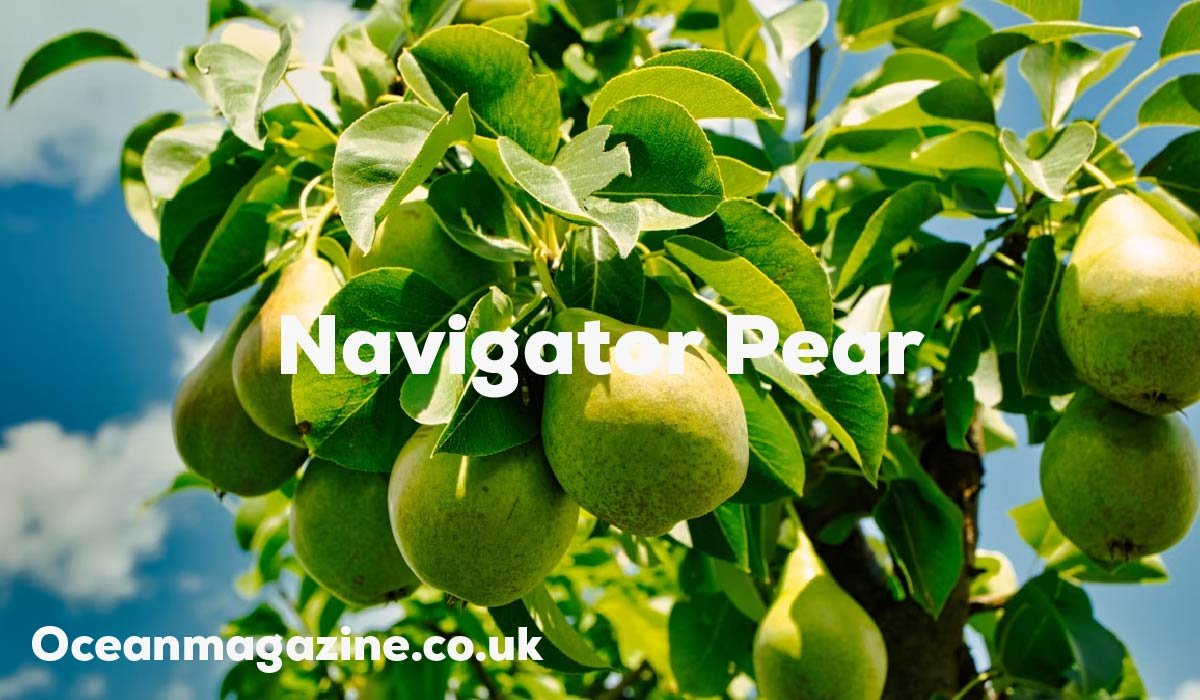
Choosing the right tree for a small or narrow yard can be harder than it looks. You may want spring flowers, summer greenery, and fall color, but you probably do not want a tree that crowds your driveway, blocks windows, or needs constant pruning. The Navigator Pear may be worth considering. It is an ornamental pear tree known for its upright shape, white spring flowers, glossy green leaves, and warm fall color. Unlike fruiting pear trees, it is mainly grown for its appearance rather than for edible pears.
In this guide, you will learn what the Navigator Pear is, where it grows best, how to plant and care for it, and what to consider before adding one to your yard.
What Is the Navigator Pear?
The Navigator Pear is a deciduous ornamental pear tree. Deciduous means it loses its leaves in fall and grows new ones in spring.
It is often sold under the botanical name Pyrus × ‘DurPSN303’. The tree has a narrow, upright shape and is commonly used in home landscapes, formal gardens, and areas where planting space is limited.
Although it belongs to the pear family, it is not normally grown for edible fruit. It may produce small ornamental fruit, but you should not expect the large, sweet pears found on orchard trees.
You may find the Navigator Pear useful if you want:
- A narrow tree for a small yard
- A flowering tree for a cold climate
- A vertical accent near an entrance
- A tidy tree for a driveway or property line
- Seasonal color without a wide canopy
Why Is the Navigator Pear Popular?
The Navigator Pear fits many modern landscapes because it grows upward instead of spreading widely. This makes it easier to use in smaller front yards, side gardens, and narrow areas between buildings and walkways.
Its seasonal appearance is another reason people choose it. White flowers appear in spring, green leaves fill the canopy in summer, and the foliage often turns yellow or orange in fall.
The tree also has a naturally structured shape. It can give a landscape a neat, balanced look without needing heavy pruning every year.
Main Features of the Navigator Pear
The mature size of a Navigator Pear can vary depending on climate, soil, care, and nursery stock. Many nursery listings place it between about 23 and 35 feet tall, with a spread of roughly 10 to 18 feet.
Always check the plant label before buying. Local growing conditions can affect the final size.
Upright Growth
The Navigator Pear usually develops a narrow, oval, or pyramidal canopy. It provides height without taking up as much side-to-side space as many shade trees.
White Spring Flowers
Clusters of white flowers appear in spring. These blooms give the tree a fresh, bright look at the start of the growing season.
Glossy Green Leaves
The leaves are usually dark green and glossy during summer. They create a dense canopy and help the tree look full and healthy.
Fall Color
In fall, the leaves may turn shades of yellow, orange, and sometimes red. The strength of the color can vary from year to year.
Small Ornamental Fruit
Some Navigator Pear trees may produce small fruit. It is not the same as the large edible fruit produced by Bartlett, Bosc, or other orchard pear varieties.
Cold Tolerance
The Navigator Pear is commonly sold for colder regions. However, winter survival depends on more than temperature alone. Wind exposure, soil drainage, planting depth, and early care all matter.
How the Navigator Pear Grows
The Navigator Pear follows a yearly cycle similar to other deciduous trees.
In spring, buds open and white flowers appear along the branches. Leaves soon follow and begin forming the summer canopy.
During the warmer months, the tree uses sunlight to support root, branch, and leaf growth. A sunny location helps it develop a fuller shape.
As temperatures cool, the leaves change color and fall. The tree then becomes dormant, or inactive, during winter before growth begins again in spring.
Because the tree naturally grows in an upright form, it often needs less shaping than trees with wide or uneven canopies. Young trees may still need light pruning to develop a strong branch structure.
How to Plant a Navigator Pear
1. Choose a Sunny Location
Plant your Navigator Pear where it will receive at least six hours of direct sunlight each day.
Avoid areas under power lines. The tree may be narrow, but it can still grow more than 20 feet tall.
2. Measure the Available Space
Do not judge the tree by its size at the nursery. Check its expected mature height and width before planting.
Leave enough room between the tree and nearby buildings, fences, paths, and other plants. Good spacing can reduce future pruning problems.
3. Check the Soil Drainage
Navigator Pear grows best in soil that drains well. Avoid locations where water collects for long periods after rain.
You can test drainage by digging a small hole, filling it with water, and checking how long it takes to empty. If water remains for a long time, the site may be too wet.
4. Dig a Wide Hole
Dig a hole about two to three times wider than the root ball. The hole should not be deeper than the roots.
Place the tree so the root flare sits at or slightly above ground level. The root flare is the area where the trunk widens and meets the main roots.
5. Refill the Hole
Use the soil you removed to fill the space around the roots. Break up large clumps as you work.
Press the soil gently, but do not pack it tightly. Water the area well after planting to settle the soil.
6. Water Consistently
Young trees need steady moisture while their roots become established. Deep watering once or twice a week is often better than light watering every day.
Adjust your schedule during rainy or very hot weather. The soil should stay moist but not waterlogged.
7. Add Mulch
Spread two to three inches of mulch around the root area. Mulch helps the soil hold moisture and reduces grass growth.
Keep the mulch several inches away from the trunk. Mulch piled against the bark can trap moisture and cause damage.
8. Prune When Needed
Remove broken, dead, rubbing, or weak branches. Late winter or early spring is often a suitable time for basic pruning.
Avoid removing too much healthy growth at once. Heavy pruning can stress the tree and lead to weak new shoots.
Main Benefits of the Navigator Pear
It Works in Narrow Spaces
The upright canopy makes the Navigator Pear easier to place in smaller landscapes. It can fit beside a driveway, near an entrance, or in a narrow lawn area.
It still needs room to reach its mature width. Avoid planting it too close to walls, paths, or fences.
It Offers Seasonal Interest
The Navigator Pear changes throughout the year. You can enjoy white flowers in spring, green leaves in summer, and warm foliage color in fall.
After the leaves drop, the upright branch structure continues to add shape to the landscape.
It May Suit Cold Climates
This tree is often sold for regions with cold winters. That can make it a useful option where less-hardy ornamental trees may struggle.
Before buying, confirm that the tree is suitable for your local hardiness zone and winter conditions.
It Has a Neat Shape
The Navigator Pear has a naturally formal appearance. It can work as a single focal tree, a matching pair near an entrance, or part of a row along a property edge.
Its shape usually stays fairly tidy with light maintenance.
Possible Limitations and Things to Consider
The Navigator Pear is not the right choice for every yard.
It is not an edible pear tree. If your main goal is to harvest fruit, choose a pear variety grown specifically for eating.
Its mature size can also vary between suppliers. Some listings describe a tree in the mid-20-foot range, while others suggest it may grow closer to 35 feet. Ask your nursery what size you should expect in your area.
Like other pear trees, it may be affected by pests or disease. Fire blight is one possible concern. This bacterial disease can cause shoots and branches to look dark or scorched.
Ornamental pears may also be discouraged in some regions because certain types can spread or cross-pollinate with invasive pear trees. Local rules and recommendations differ, so check with a nursery, extension office, or local authority before planting.
You should also consider leaf drop, small fruit, and branch maintenance. No landscape tree is completely free of cleanup or care.
Navigator Pear Compared With Other Trees
Navigator Pear vs Fruiting Pear Tree
Both trees belong to the pear family and may produce white spring flowers. The main difference is their purpose.
A Navigator Pear is grown for shape and seasonal beauty. A fruiting pear is grown for edible pears and may need a compatible pollination partner, regular harvesting, and more cleanup.
Choose Navigator Pear for landscaping. Choose a fruiting variety if you want pears to eat or cook with.
Navigator Pear vs Flowering Crabapple
Flowering crabapples also provide spring flowers and seasonal interest. They are available in many sizes, flower colors, and growth habits.
Some crabapples produce noticeable fruit, while others are selected to reduce fruit mess. Disease resistance also varies by variety.
A crabapple may be a better option if you want pink or red flowers rather than white.
Navigator Pear vs Japanese Tree Lilac
Japanese tree lilacs produce creamy white flowers and can handle cold climates. Their flowers usually appear later than pear blossoms.
They often have a more rounded or irregular shape. You may prefer a tree lilac if you want a softer, less formal appearance.
Navigator Pear vs Narrow Maple or Oak
A narrow maple or columnar oak may provide more shade and stronger long-term structure. These trees do not offer the same spring flower display.
They may be better choices in areas where ornamental pear planting is discouraged.
Final Thoughts
The Navigator Pear is an ornamental tree valued for its narrow shape, white spring flowers, glossy summer leaves, and warm fall color. It may suit you if you need a medium-sized tree that adds height without developing a very wide canopy.
Before planting, check its mature size, local hardiness, soil needs, and regional planting guidance. Compare it with other narrow trees and choose the one that best fits your space, climate, and maintenance preferences.
Your best next step is to measure the planting area and speak with a trusted local nursery. A tree that matches your actual conditions will be easier to manage and more likely to grow well.