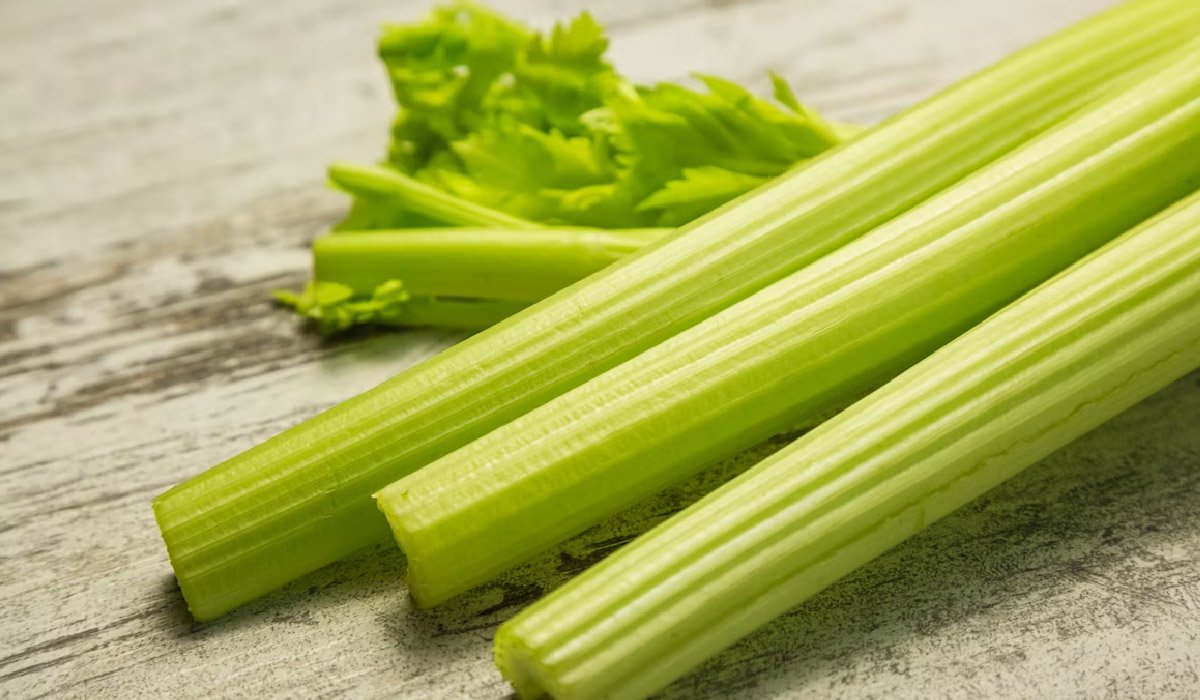
Celery may seem like a basic vegetable. You might picture crisp green stalks served with dip, chopped into a salad, or added to soup. The phrase pravi celer, however, can mean something broader. In several South Slavic languages, “pravi” means “real” or “true,” while “celer” means celery. Depending on the context, the term may refer to fresh celery, locally grown celery, or the whole plant, including its stalks, leaves, and root.
Pravi celer is not a separate botanical species or an officially recognized variety. It is better understood as a regional or informal term. In this guide, you will learn what it usually means, how different types of celery are used, and what you should know about its nutritional value and safety.
What Is Pravi Celer?
Pravi celer usually means “real celery” or “true celery.” The phrase does not describe a unique plant with special scientific properties.
In most cases, it refers to celery from the species Apium graveolens. Different forms of this plant are grown for their stalks, leaves, or large edible root.
Depending on where you hear the term, pravi celer may refer to:
- Fresh stalk celery: The crisp green celery commonly used in salads, snacks, soups, and stir-fries.
- Celeriac: A celery variety grown for its large, rounded root.
- Leaf celery: A type grown mainly for its strongly flavored leaves.
- Whole-plant celery: Celery used for its stalks, leaves, and root rather than only one part.
This difference matters when you are following a recipe. A Balkan or European recipe that calls for “celer” may mean celery root rather than the green stalks sold in many supermarkets.
People are interested in pravi celer because it is versatile, affordable, and easy to use. It adds flavor and texture to meals while providing water, fiber, vitamins, minerals, and natural plant compounds.
Background and Traditional Use
Celery has been known for thousands of years. Wild forms grew around the Mediterranean and were used by ancient cultures for food, ceremonies, and traditional remedies.
Over time, growers selected celery plants for different qualities. Some were developed for thick, mild stalks. Others were grown for their leaves or for a larger, more useful root.
This helps explain why celery is used differently across regions. In North America, people often think first of crunchy stalks. In parts of Central, Eastern, and Southeastern Europe, celery root and leaves are also common ingredients.
Celeriac may be added to soups, broths, stews, salads, and roasted vegetable dishes. Celery leaves are often used as a seasoning, much like parsley or other fresh herbs.
Traditional use does not automatically prove a medical benefit. Celery has a long place in folk remedies, but claims about treating illness should be separated from its well-established role as a nutritious food.
Main Types of Pravi Celer
The term pravi celer may describe several forms of celery. Each one has a different taste, texture, and purpose.
Stalk Celery
Stalk celery has long, crisp ribs and a mild, fresh flavor. You can eat it raw, cook it in soup, or add it to stir-fries and salads.
The leaves are edible too. They have a stronger taste and can be chopped into stocks, sauces, stews, or dressings.
Celeriac or Celery Root
Celeriac is grown for its large, rough-looking root. Although it is often called celery root, it is a special variety of celery rather than the root of ordinary supermarket stalk celery.
Its flesh is firm and pale, with an earthy celery flavor. You can roast it, boil it, mash it, grate it into salad, or blend it into soup.
Leaf Celery
Leaf celery has thinner stalks and many aromatic leaves. It is usually used as a seasoning rather than as a crunchy snack.
Its flavor can be strong, so a small amount is often enough. It works well in broth, rice dishes, soups, sauces, and slow-cooked meals.
How Pravi Celer Fits Into Your Diet
Pravi celer works like other vegetables in a balanced diet. It provides water, fiber, flavor, and several useful nutrients.
Stalk celery contains a high amount of water. It also provides some fiber, which supports normal digestion and can help make meals more satisfying.
Celery contains vitamin K as well as smaller amounts of other vitamins and minerals. Celeriac has a denser texture and provides more carbohydrates than stalk celery, but it is still commonly used as a vegetable rather than a grain or starch-heavy food.
Celery also contains natural plant compounds, including antioxidants. Antioxidants help protect cells from certain types of damage, but this does not mean celery can prevent or cure disease by itself.
You may see claims that celery juice “detoxes” the body or cleanses the liver and kidneys. These claims are not well supported. Your liver and kidneys already process waste, and no single juice can replace their normal function.
How to Use Pravi Celer
1. Identify the Type
First, check whether you have stalk celery, leaf celery, or celeriac. They are prepared in different ways.
When using an unfamiliar European recipe, look at the description or image. The word “celer” may refer to celery root rather than stalks.
2. Choose Fresh Celery
Select stalks that feel firm and crisp. Avoid celery that is slimy, badly wilted, or strongly discolored.
Choose celeriac that feels heavy and solid. Its skin will naturally look rough, but it should not have deep soft spots or an unpleasant smell.
3. Wash It Thoroughly
Rinse celery stalks and leaves under running water. Dirt often collects near the base and between the ribs.
Scrub celeriac before peeling it. Its uneven surface can hold soil.
4. Prepare It Safely
Trim the bottom of stalk celery and remove any damaged leaves. Slice it thinly for salads or into larger pieces for cooking.
For celeriac, use a sturdy peeler or sharp knife to remove the thick outer skin. Cut carefully because the root can be hard and uneven.
5. Add It to a Meal
Eat stalk celery raw with hummus, nut butter, or another dip. You can also add it to soups, stir-fries, casseroles, and salads.
Roast celeriac in cubes, boil and mash it, or grate it into a fresh salad. Use celery leaves as a garnish or seasoning.
6. Store It Properly
Keep celery in the refrigerator. Leave it unwashed until you are ready to use it, since extra moisture can speed up spoilage.
Store cut celery or peeled celeriac in a sealed container. Use it within a reasonable time and discard it if it becomes slimy, soft, or sour-smelling.
Main Benefits of Pravi Celer
It Adds Fiber to Your Meals
Whole celery provides dietary fiber. Fiber supports normal bowel movements and helps food move through your digestive system.
For example, adding chopped celery to a bean salad gives the meal more crunch and fiber. Celery juice contains less fiber because much of the solid plant material is removed.
It Helps You Eat More Vegetables
Celery is easy to use in both raw and cooked dishes. This can make it simpler to include more vegetables in your daily meals.
You might add stalks to your lunch, use the leaves in soup, and roast celeriac as a dinner side dish. Each form gives you a different texture and flavor.
It Provides Useful Nutrients
Celery contains vitamin K, which supports normal blood clotting and bone health. It also provides smaller amounts of other nutrients.
Celeriac has a different nutritional profile from stalk celery because the root is denser. Both can be part of a varied diet, but neither should be treated as a complete source of nutrition.
It Adds Flavor Without Heavy Ingredients
Celery has a fresh, savory taste. It can add depth to soups, stocks, sauces, and stews without the need for rich sauces or large amounts of seasoning.
A simple mix of celery, onion, and carrot is often used as the flavor base for soups and slow-cooked dishes. Celery leaves can provide an even stronger aroma.
It Contains Natural Plant Compounds
Celery contains antioxidants and other plant compounds. These substances are being studied for their possible effects on health.
The most realistic benefit comes from eating celery as part of a varied diet. It should not be promoted as a treatment for inflammation, arthritis, anxiety, digestive disease, or any other medical condition.
It Can Support Hydration
Stalk celery contains a large amount of water. Eating it can contribute to your daily fluid intake, especially when combined with other water-rich foods.
However, celery is not a replacement for drinking water. Think of it as one small part of staying hydrated.
Possible Limitations and Safety Considerations
Celery is safe for many people, but there are a few important points to consider.
Celery Allergy
The Celery can cause allergic reactions. In some people, these reactions may be serious.
Symptoms can include itching, swelling, hives, breathing problems, or a severe whole-body reaction. Anyone with a known celery allergy should avoid the stalks, leaves, root, seeds, and foods that contain celery.
Vitamin K and Medication
Celery contains vitamin K. This nutrient can affect how warfarin and some other blood-thinning treatments work.
You may not need to avoid celery completely, but your intake should usually remain consistent. Speak with your doctor or pharmacist before making a major change, such as drinking large amounts of celery juice every day.
Celery Juice Claims
Celery juice can be refreshing and may provide some nutrients. However, it has not been proven to detox the body, cure digestive conditions, clear acne, or produce guaranteed weight loss.
Juicing also removes much of the fiber. Whole celery is usually the better choice when fiber and fullness are your main goals.
Digestive Discomfort
Eating a large amount of celery may cause gas, bloating, or discomfort in some people. This is more likely if you suddenly increase your fiber intake.
Start with a moderate serving and see how your body responds. Drinking enough water may also help when you add more fiber to your diet.
Supplements Are Different
Celery seed supplements are more concentrated than celery used in food. They may have different risks and may interact with medicines.
Do not assume that a supplement is safe simply because celery is a vegetable. Ask a qualified healthcare professional before using concentrated celery products.
Pravi Celer Compared With Alternatives
Stalk Celery vs. Celeriac
Stalk celery is crisp, watery, and usually eaten raw or lightly cooked. Celeriac is firm, earthy, and commonly roasted, boiled, or mashed.
Choose stalk celery for snacks, salads, and stir-fries. Choose celeriac when you want a filling vegetable for soup, mash, or a roasted side dish.
Celery Leaves vs. Parsley
Celery leaves and parsley can both be used as green seasonings. However, their flavors are different.
Parsley tastes lighter and fresher. Celery leaves have a stronger savory flavor and may be better for soups, broths, and stews.
Whole Celery vs. Celery Juice
Whole celery contains more fiber and requires chewing, which may help you feel fuller. Celery juice is faster to consume and can contain several stalks in one serving.
Whole celery is usually the more practical everyday choice. Juice can still fit into your diet, but it should not replace whole vegetables or balanced meals.
Celeriac vs. Potatoes
Celeriac and potatoes can both be boiled, roasted, or mashed. Also Celeriac has a stronger celery flavor and a lighter, less starchy texture.
Potatoes may be better when you want a familiar, mild side dish. Celeriac is useful when you want a different flavor or more vegetable variety.
Celery vs. Fennel
Celery and fennel both have crisp stalks and can be eaten raw or cooked. Their flavors, however, are easy to tell apart.
Celery tastes fresh and savory. Fennel has a mild licorice-like flavor. People who dislike that sweet, anise-like taste may prefer celery.
Final Thoughts
Pravi celer is not a separate miracle vegetable. It is an informal term that usually refers to real, fresh, or traditionally used celery.
Depending on the context, it may mean stalk celery, leaf celery, celeriac, or the whole plant. That is why it is worth checking the exact type before shopping or following a recipe.
The main value of pravi celer is simple. It adds water, fiber, nutrients, flavor, and texture to meals. Try adding stalk celery to a salad, using the leaves in soup, or roasting celeriac as an easy side dish.