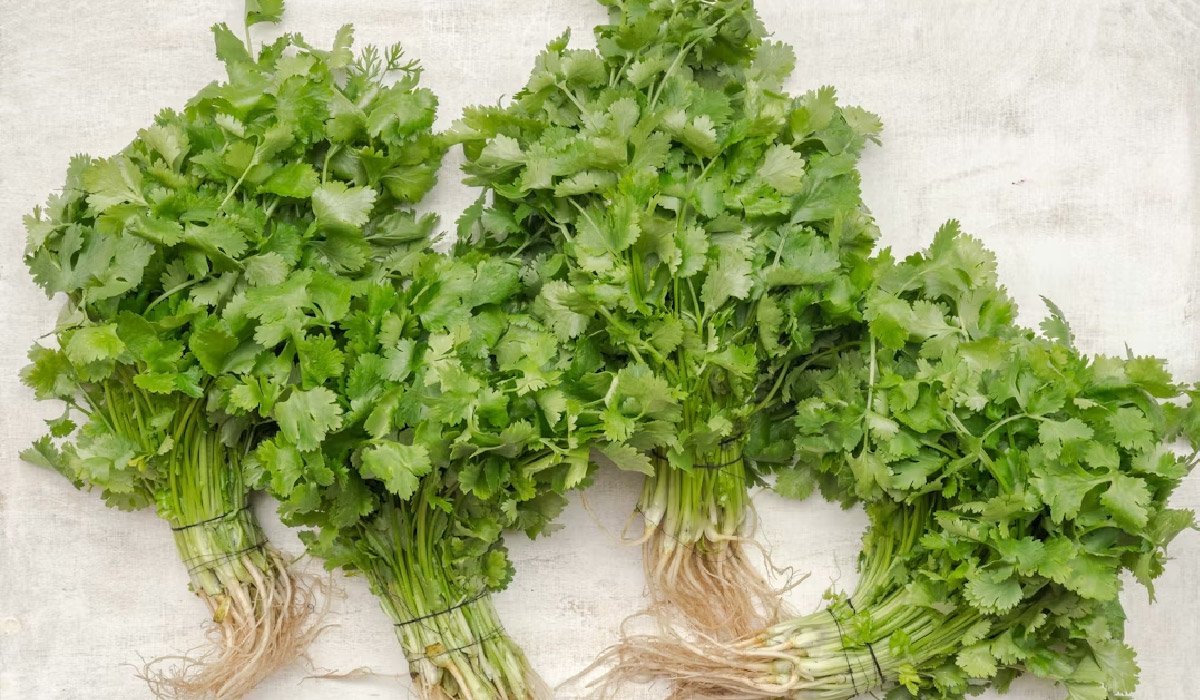
Have you ever added a handful of fresh green herbs to a curry, taco, soup, or salad and noticed how much brighter the food tasted? That herb may have been koriandri, also known as coriander or cilantro. Koriandri comes from the plant Coriandrum sativum. Its leaves, stems, seeds, and roots can all be used in cooking, although each part has a different flavor. The leaves taste fresh and citrusy, while the dried seeds are warm, earthy, and slightly sweet.
In this guide, you will learn what koriandri is, where it comes from, how to use it, and what to consider before adding it to your diet.
What Is Koriandri?
Koriandri is an aromatic herb from the Apiaceae family, which also includes parsley, carrots, celery, and fennel. Its scientific name is Coriandrum sativum.
The different names can be confusing. In the United States, the fresh leaves are usually called cilantro, while the dried seeds are called coriander. In many other countries, people use the terms coriander leaves and coriander seeds.
Also In South Asia, coriander is often called dhania. Fresh leaves may be known as hara dhania, which means green coriander. Koriandri is another regional form of the word coriander.
People use koriandri because it adds plenty of flavor without adding much salt, sugar, or fat. Even a small amount can make a simple meal taste fresher and more aromatic.
Background and Origin of Koriandri
Coriander has been used for thousands of years. Historical records link it to ancient Mediterranean, Middle Eastern, and North African cultures. Archaeologists have also found coriander seeds at ancient Egyptian sites.
Over time, the herb spread through trade and migration. It became an important ingredient in South Asian, Middle Eastern, Mediterranean, Mexican, Thai, and North African cooking.
The word “coriander” comes from older Greek and Latin terms. Some language historians believe the Greek name may have been linked to the plant’s strong smell.
Today, koriandri is grown in many parts of the world. It prefers mild weather, sunlight, and well-drained soil. In hot conditions, the plant may flower and produce seeds quickly.
Main Parts of the Koriandri Plant
Different parts of the plant have different uses.
- Fresh leaves: Often called cilantro, the leaves have a bright, fresh flavor. They are commonly used in salads, chutneys, tacos, curries, soups, and garnishes.
- Tender stems: The stems are edible and flavorful. You can chop them finely and add them to sauces, soups, marinades, or green chutney.
- Dried seeds: Coriander seeds taste warmer and sweeter than the leaves. They can be used whole, crushed, toasted, or ground.
- Roots: Coriander roots have a strong, earthy flavor. They are often used in Thai and Southeast Asian pastes, soups, and marinades.
- Ground coriander: This is made from dried seeds. It is easy to use, but it loses its aroma faster than whole seeds.
Fresh leaves and dried seeds are not direct substitutes. The leaves add freshness, while the seeds create a deeper, warmer flavor.
How Koriandri Works in Cooking
Koriandri gets its flavor and smell from natural aromatic compounds. These compounds are released when you chop the leaves, crush the stems, or toast the seeds.
Fresh leaves have delicate aromas that fade during long cooking. For this reason, they are usually added near the end of the cooking process or sprinkled over food before serving.
The seeds work differently. Gentle heat brings out their warm, citrus-like aroma. Once toasted, they can be ground and added to curries, stews, spice blends, roasted vegetables, and marinades.
Some people think fresh coriander tastes like soap. Research suggests that differences in smell-receptor genes may partly explain why people experience the flavor so differently.
How to Use Koriandri
1. Choose the right form
Use fresh leaves when you want a bright, fresh finish. Choose whole or ground seeds when you want warmth and depth.
2. Wash fresh coriander well
Place the leaves in a bowl of cool water and move them gently to loosen dirt. Lift them out, change the water if needed, and rinse again.
Dry the leaves before chopping. Wet coriander can make sauces and salads watery.
3. Keep the tender stems
Do not throw away the soft stems. Chop them finely and use them in chutneys, soups, sauces, and marinades.
Remove only thick, damaged, or woody pieces.
4. Add the leaves near the end
Stir fresh leaves into hot food shortly before serving. Long cooking can weaken their flavor.
You can also use them as a garnish over rice, lentils, curries, tacos, soups, and grilled dishes.
5. Toast the seeds gently
Place whole coriander seeds in a dry pan over low or medium heat. Stir them until they smell fragrant.
Remove them before they darken too much or burn. Let them cool before grinding.
6. Store them properly
Keep fresh coriander in the refrigerator. You can wrap it loosely in a slightly damp paper towel or place the stems in a jar with a small amount of water.
Store whole and ground seeds in sealed containers away from heat, moisture, and direct light.
Main Benefits of Koriandri
Adds Flavor Without Heavy Ingredients
Koriandri can improve the taste of food without relying on large amounts of salt, oil, sugar, or rich sauces.
For example, chopped coriander, lemon juice, and a little seasoning can make plain chickpeas or lentils taste much more interesting.
Provides Useful Nutrients
Fresh coriander leaves contain vitamins A, C, and K, along with small amounts of minerals and plant compounds.
However, most people use coriander as a garnish rather than eating a large serving. It can support a balanced diet, but it should not replace vegetables or other nutrient-rich foods.
May Support Digestion
Coriander seeds have a long history of use in traditional cooking and herbal practices for digestive discomfort.
Some people use coriander-seed tea or add the spice to meals when they feel bloated or overly full. Research into these effects is still limited, so ongoing digestive problems should be discussed with a healthcare professional.
Contains Antioxidant Compounds
Coriander leaves and seeds contain plant compounds with antioxidant activity. Antioxidants help the body manage oxidative stress, which is linked to gradual cell damage.
This does not mean coriander can prevent or cure disease. It is simply one of many plant foods that can be included in a varied diet.
Makes Healthy Foods More Enjoyable
Fresh herbs can make vegetables, beans, rice, and whole grains taste more appealing.
A spoonful of coriander chutney, for example, can add freshness and spice to grilled vegetables without the need for a heavy sauce.
Possible Limitations and Safety Considerations
Koriandri is generally safe when used in normal food amounts, but it may not suit everyone.
Some people strongly dislike the taste of the fresh leaves because they find them soapy. The dried seeds may still be suitable because they have a very different flavor.
Allergic reactions are possible, although they are uncommon. Stop eating coriander and seek medical help if you develop swelling, breathing problems, severe itching, or another serious reaction.
Fresh herbs can carry dirt or harmful bacteria. Wash them carefully, keep them refrigerated, and discard leaves that are slimy, badly wilted, or smell unpleasant.
Coriander is sometimes promoted as a treatment for blood sugar problems, anxiety, inflammation, or heavy-metal removal. These claims are not well established enough to replace medical care.
Talk to a healthcare professional before using coriander supplements or concentrated extracts, especially if you take medication, have allergies, are pregnant, or have an ongoing health condition.
Koriandri Compared With Common Alternatives
Koriandri is often confused with parsley because the leaves can look similar. Parsley has a milder, grassier flavor, while coriander is stronger and more citrus-like.
Parsley may be a better choice when you want a gentle green flavor that does not dominate the dish.
Cumin is another common comparison, especially in curries and spice blends. Cumin tastes deeper, smokier, and more intense than coriander seeds.
Many recipes use cumin and coriander together because the two spices balance each other well.
Culantro is a separate herb with long, firm leaves and a strong cilantro-like taste. It is widely used in Caribbean, Latin American, and Southeast Asian cooking.
Culantro handles long cooking better, while fresh coriander leaves are usually best added near the end.
Final Thoughts
Koriandri is a versatile herb with several useful parts. The fresh leaves add a bright, clean flavor, while the dried seeds bring warmth and depth. The stems and roots can also be useful when prepared correctly.
It provides flavor, nutrients, and variety, but it should be treated as food rather than medicine. A simple place to start is by adding fresh coriander to a familiar meal or toasting the seeds for a curry, soup, or vegetable dish.