Businesses often use separate tools for finance, sales, customer service, inventory, and employee management. When these systems do not communicate, information becomes scattered, reports take longer to prepare, and teams may make decisions using outdated data. Cñims, often described as Coordinated Networked Intelligent Management Systems, is a concept built around connecting these separate business functions. It combines shared data, automation, and artificial intelligence to help organizations understand what is happening and respond more quickly.
Public information about Cñims is limited, and it does not appear to be a widely recognized software standard or a clearly documented commercial platform. For that reason, it is best understood as a proposed approach to intelligent business management rather than a single verified product.
In this guide, you will learn what Cñims means, how it may work, what benefits it could offer, and what to check before using a system built around this idea.
What Is Cñims?
Cñims is an approach to managing different parts of a business through one connected system.
It may bring together information from areas such as:
- Finance
- Human resources
- Sales
- Customer support
- Inventory
- Logistics
- Manufacturing
You can think of it as a central control room. Each department may still use its own software, but important information is shared through one management layer.
That shared system can organize data, show updates, identify possible problems, and support routine decisions. In some cases, it may also automate simple tasks.
Cñims may be useful for companies that work across several departments, locations, or software platforms. Interest in the idea comes from a common problem: many organizations collect large amounts of data but struggle to turn it into useful action.
Why Is Cñims Becoming Popular?
There is little reliable public information about where the term Cñims came from. No widely accepted company history, technical standard, or original developer appears to be connected to it.
However, the idea reflects several established business technology trends.
Companies increasingly want to connect their software, reduce manual work, and use current data instead of waiting for weekly or monthly reports. They are also exploring artificial intelligence, cloud systems, connected devices, and workflow automation.
Cñims brings these ideas together under one concept.
The main goal is to reduce information gaps between departments. When teams work with the same updated data, they may communicate more clearly and respond to problems sooner.
Main Features of a Cñims-Style System
Because Cñims is not based on one verified product specification, its features may differ from one provider or explanation to another.
The following features are commonly linked to the concept.
Connected Data Sources
A Cñims-style system may collect information from databases, business software, websites, sensors, cloud storage, and outside services.
This matters because useful business decisions often depend on information from more than one department.
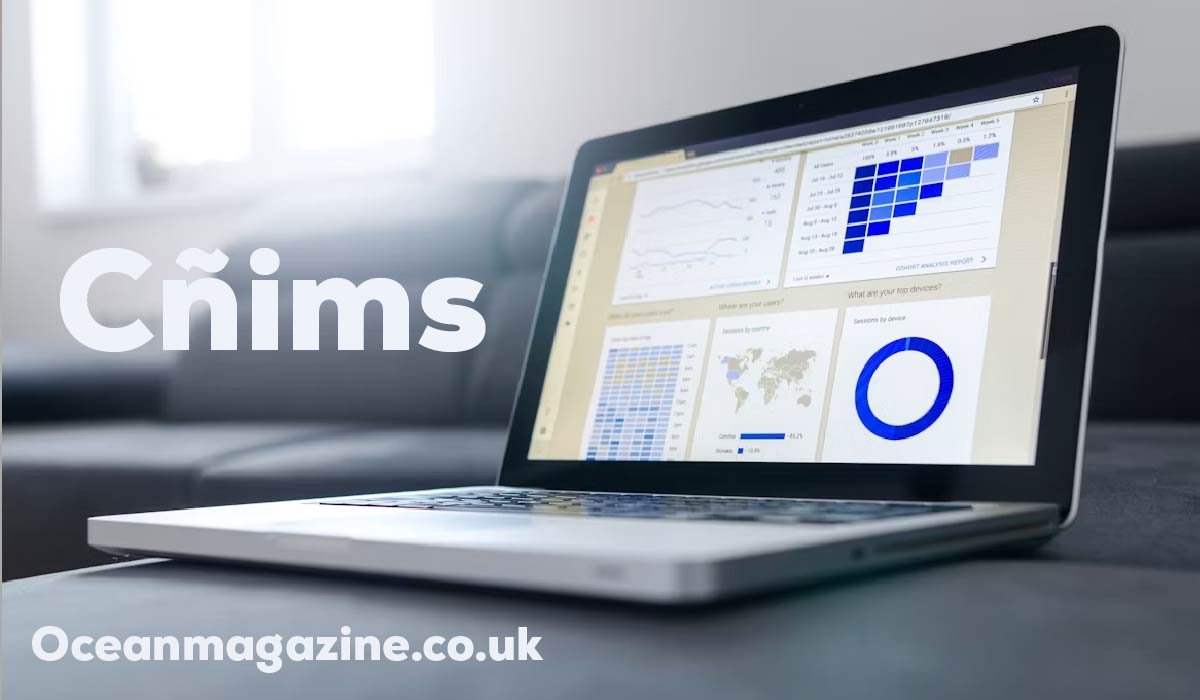
Central Dashboard
A shared dashboard can display information such as sales, costs, stock levels, customer requests, staffing, or equipment performance.
Instead of checking several tools, managers can review key information in one place.
Real-Time Data Updates
The system may update information as new events happen.
For example, stock numbers could change soon after a customer places an order. This gives the warehouse team a more accurate view of available products.
AI-Supported Analysis
Artificial intelligence may be used to find patterns, detect unusual activity, or estimate future demand.
For example, the system might notice that sales of a certain product usually rise during a particular season.
These results should be treated as guidance rather than guaranteed predictions.
Workflow Automation
The system may automate repetitive tasks such as:
- Sending alerts
- Updating records
- Preparing reports
- Assigning support requests
- Creating reminders
Important actions should still include human review, especially when money, employment, health, or legal decisions are involved.
Modular Design
A modular system allows a business to add one function at a time.
A company might start with inventory reporting and later connect finance, customer service, or employee scheduling. This can be easier than replacing every system at once.
Access Controls
Access controls decide who can view, change, approve, or download information.
This is especially important when the system contains customer records, employee details, financial data, or confidential business information.
How Does Cñims Work?
A Cñims-style system usually begins by connecting to the tools a business already uses.
These tools may include accounting software, customer databases, inventory systems, staff schedules, online stores, or factory sensors.
The system then collects and organizes the information. This step is necessary because different programs may store dates, names, product codes, and other details in different formats.
Next, rules or AI models examine the data.
The system may look for:
- Unusual transactions
- Low stock levels
- Delayed orders
- Changes in customer demand
- Equipment problems
- Slow response times
The results may appear on a dashboard or trigger an alert.
For example, imagine a retailer with several stores. One product begins selling faster than expected in one location. The system compares stock levels across all stores and suggests moving extra units from a slower location.
A manager can then review the suggestion before approving it.
How to Use a Cñims-Style System
1. Choose One Business Problem
Start with a specific issue.
You might focus on slow reporting, repeated data entry, stock shortages, or delayed customer responses.
Do not try to connect every department at the beginning. A smaller project is easier to test and manage.
2. Identify Your Data Sources
List the software, databases, files, and devices connected to the problem.
Check whether these systems can share information safely through an application programming interface, also called an API. An API is simply a method that allows two software systems to exchange data.
3. Check the Quality of Your Data
Review your records for missing, duplicated, or incorrect information.
Even a powerful system can produce poor results when the data is unreliable.
4. Set User Permissions
Decide who should be allowed to view, edit, approve, or export information.
Give each person only the level of access needed for their role.
5. Build Simple Workflows
Begin with low-risk tasks such as sending alerts, updating dashboards, or preparing draft reports.
Avoid fully automating major decisions until the system has been tested carefully.
6. Test the Results
Compare the system’s output with real business records.
Check whether its alerts are useful, its recommendations make sense, and its automated steps follow company rules.
7. Measure Performance
Track practical results.
You might measure reporting time, response speed, stock errors, repeated work, or missed deadlines.
Expand the system only when the first use case shows clear value.
Main Benefits of Cñims
Better Visibility Across the Business
A connected system can give you a clearer view of what is happening across different departments.
For example, you may be able to see rising sales, falling stock, and supplier delays on the same dashboard.
This makes it easier to understand how one issue may affect another.
Faster Responses
Current data can help your team respond sooner.
Instead of discovering a delivery problem at the end of the week, you may receive an alert shortly after the delay begins.
Faster information does not guarantee the right decision, but it gives you more time to investigate.
Less Repetitive Work
Automation can handle routine tasks such as copying information, preparing standard reports, or sending reminders.
This may allow employees to spend more time on work that requires judgment, problem-solving, or direct customer contact.
Improved Team Coordination
When departments work with the same information, there may be fewer disagreements about numbers, deadlines, and priorities.
For example, sales and warehouse teams can use the same stock figures instead of maintaining separate records.
More Informed Planning
AI-supported analysis may help identify patterns in past and current data.
A company could use sales history, seasonal changes, and open orders to plan future stock levels.
However, predictions can be wrong. They should support human decisions, not replace them.
Flexible Growth
A modular system may allow a company to start small and add more functions later.
This approach can be useful for growing businesses that do not need a large enterprise platform from the beginning.
Possible Limitations and Things to Consider
Cñims is not a clearly established or standardized software category. A provider using this name may offer something very different from another provider.
Before choosing a system, ask for a clear explanation of what it actually includes.
Integration can also be difficult. Older software, paper records, spreadsheets, and poorly organized databases may not connect easily.
Preparing data may take more time and money than expected.
Security is another major concern. A connected platform may contain sensitive customer, employee, financial, or operational information.
You should review:
- Data encryption
- User permissions
- Backup procedures
- Activity logs
- Data storage locations
- Security testing
- Incident response plans
AI tools also have limits. They may produce incorrect, incomplete, or unfair recommendations when the available data is poor or biased.
Human review is especially important in healthcare, finance, hiring, legal work, and other high-impact areas.
Before buying or using a Cñims-style system, ask these questions:
- Which features are currently available?
- Who owns and manages the platform?
- How is your data stored and protected?
- Can you export your information?
- What happens during an outage?
- How are AI recommendations tested?
- Can the system explain why it made a suggestion?
- What are the setup and maintenance costs?
- What training will employees need?
- What support is included?
Cñims Compared With Alternatives
Cñims shares some features with several existing types of business software.
Enterprise Resource Planning Systems
Enterprise resource planning systems, usually called ERP systems, connect important business functions such as finance, purchasing, inventory, and human resources.
ERP platforms are usually more established than Cñims. They may offer proven tools and support, but they can also be costly and difficult to set up.
Larger organizations may prefer ERP software when they need a structured system covering many departments.
Business Intelligence Tools
Business intelligence tools focus on dashboards, reports, and data analysis.
They are useful when you want to understand performance, but they may not manage daily workflows or automate actions across the business.
A company that mainly needs better reporting may prefer this option.
Separate Business Applications
Small businesses often use separate tools for accounting, customer management, inventory, and scheduling.
This can be affordable and flexible. However, employees may need to enter the same information more than once, and the systems may not share data easily.
This approach may suit a smaller company with simple operations.
Custom Automation and AI Systems
A custom system can be designed around your exact processes.
It may offer more control, but it often requires experienced developers, regular maintenance, security testing, and employee training.
Organizations with unusual or highly specialized needs may prefer this approach.
Final Thoughts
Cñims describes a connected approach to business management. The basic idea is to bring information from different departments together, analyze it, and use it to support decisions and routine work.
The concept may offer useful benefits, including clearer reporting, faster updates, less manual work, and better coordination. However, Cñims does not appear to be a widely verified product or recognized technical standard.
Treat claims about any Cñims platform carefully. Review its real features, security controls, integration options, costs, and support before making a decision.
A sensible next step is to choose one business problem and compare several possible solutions. Ask for a demonstration, test the software with sample data, and measure the results before using it across your whole organization.