Have you seen the word babybelletje online and wondered what it means? At first glance, it may look like the name of a new food, baby product, or Dutch expression. In most cases, however, the meaning is much simpler.
Babybelletje is an informal Dutch-style term for a small Babybel cheese portion. It is closely linked to the familiar round cheese snack sold in individual packaging. The word is not generally used for a separate cheese variety, baby name, or recognised parenting method.
In this guide, you will learn what babybelletje means, why people use the word, how the snack is eaten, and what to check before buying it.
What Is Babybelletje?
A babybelletje usually refers to one small Babybel cheese portion. You may see the word in Dutch conversations, product discussions, social media posts, or search results.
The term works like a friendly nickname. In Dutch, word endings are often added to show that something is small or familiar. In this case, babybelletje can be understood as “a little Babybel.”
The word does not normally describe a special type of cheese. It refers to the small, individually packed cheese portions that many people already recognise.
People often search for the term because the spelling is unusual. They may want to know whether it is a brand, recipe, food trend, or foreign word.
Why Is Babybelletje Becoming Popular?
There is no clear evidence that babybelletje began as an official product name or formal food term. It appears to have developed naturally as an informal way of talking about a small Babybel cheese.
This kind of language change is common. When a product becomes familiar, people may shorten its name, change its pronunciation, or add a local ending.
The internet has also helped unusual words spread more widely. A term used casually in one post can appear in search results, blogs, comments, and social media discussions. More people then search for it because they want a clear definition.
Some websites give babybelletje several unrelated meanings. However, there is little reliable evidence that it is widely recognised as a baby name or soothing parenting technique. Its clearest meaning is still the small cheese snack.
Main Features of a Babybelletje
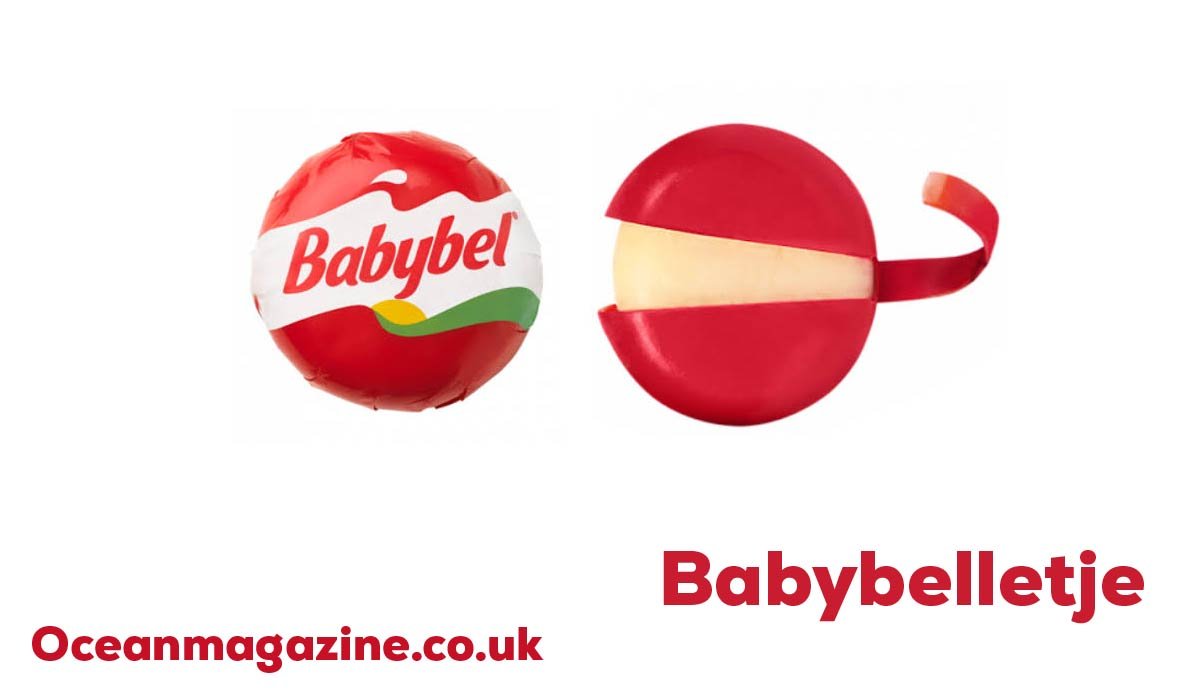
A babybelletje is mainly known for its small size, round shape, and individual packaging. The exact ingredients, flavour, and nutrition can vary between products and countries.
Common features include:
- Individual portion: Each piece is packed separately, so you can open one and leave the rest sealed.
- Small round shape: The cheese is easy to hold and does not need to be sliced.
- Wax covering: Many Babybel products come in a coloured wax shell that must be removed before eating.
- Portable size: The cheese is easy to place in a lunchbox, picnic bag, or packed meal.
- Different varieties: Available flavours and cheese types may vary depending on where you live.
These features make the product useful for people who want cheese without cutting, wrapping, or storing a larger opened block.
How Does Babybelletje Work as a Snack?
A babybelletje is a ready-to-eat cheese portion. It does not need to be cooked, cut, or spread.
You first remove the outer wrapper. You then open the wax shell using the tab or strip and take out the cheese. Once all the wax has been removed, the cheese can be eaten on its own or served with other food.
The wax is part of the packaging and should not be eaten. It gives the product its recognisable appearance, but it does not replace proper storage.
You should always follow the instructions printed on the package. Storage advice may differ between products and regions.
How to Use Babybelletje
- Read the package.
Check the ingredients, allergen information, use-by date, nutrition label, and storage directions. - Store it as directed.
Keep the cheese chilled when the label tells you to do so. Do not assume that the wax makes it safe to store anywhere. - Remove the outer wrapper.
Open the plastic or paper wrapping before touching the wax shell. - Peel away the wax.
Use the pull tab and remove all the wax before eating the cheese. - Serve it your way.
Eat it alone or pair it with bread, crackers, fruit, or vegetables. - Throw away the packaging safely.
Keep wrappers and wax away from small children and follow your local waste or recycling rules.
Main Benefits of Babybelletje
It Needs Almost No Preparation
One of the main advantages of babybelletje is convenience. Once you remove the packaging and wax, the cheese is ready to eat.
This can be useful when you are preparing lunch in a hurry. Instead of cutting cheese from a block and wrapping it, you can place one portion directly into a lunchbox.
It Comes in Separate Portions
Each cheese is individually packed. This allows you to take one piece without opening the others.
Separate portions may be useful in shared households or when people eat at different times. They also make it easier to pack a single serving for work, school, or travel.
It Works With Many Simple Foods
A babybelletje can be eaten alone, but it can also be added to a larger snack or meal.
You might serve it with crackers and apple slices, place it beside raw vegetables, or eat it with bread. Pairing it with other foods can make a snack more filling.
It Is Easy to Carry
The small size makes babybelletje practical for packed meals. It can fit into many lunchboxes, food containers, and bags.
You still need to think about temperature. When the package says the cheese should stay refrigerated, use a suitable cool bag or lunchbox.
It May Suit People Who Prefer Mild Cheese
Many Babybel products have a mild flavour compared with strongly aged cheeses. This may appeal to people who do not enjoy sharp or intense cheese.
Taste and texture can vary between varieties, so check the product label if you want a specific type.
Possible Limitations and Things to Consider
Babybelletje is convenient, but it may not be the right choice for everyone.
Most standard versions are dairy products. Anyone with a milk allergy should avoid them unless the packaging clearly states that the product is suitable. People with lactose intolerance or other dietary needs should also read the label carefully.
The individual packaging creates more waste than some larger cheese products. Separate portions are practical, but each piece may include an outer wrapper and wax covering.
Price can also be a factor. Individually packed foods sometimes cost more by weight than larger blocks. This varies between retailers, so compare the price per gram rather than looking only at the total pack price.
Nutrition also differs between products. Do not assume every babybelletje contains the same amount of calories, protein, fat, or salt.
Before buying, consider the following questions:
- Does the ingredient list match your dietary needs?
- Can you store the product correctly?
- Is individual packaging useful for your routine?
- Would sliced cheese or a larger block offer better value?
- Does the portion size suit the person eating it?
Babybelletje Compared With Other Options
Babybelletje vs. a Block of Cheese
Both options provide cheese, but they offer different levels of convenience.
A block of cheese usually needs to be cut, wrapped, and stored after opening. It may offer better value and create less individual packaging.
Babybelletje is easier to carry and requires no slicing. It may suit you better when you need a quick, portable portion.
Babybelletje vs. Pre-Sliced Cheese
Pre-sliced cheese is convenient for sandwiches and toast. However, several slices often share one package, so the whole pack is opened at the same time.
A babybelletje remains sealed until you need it. It is also easier to eat by itself, while sliced cheese is usually used as part of another food.
Babybelletje vs. Cheese Sticks
Cheese sticks and babybelletjes are both portable and individually packed.
The main differences are shape, texture, and packaging. Cheese sticks may suit people who enjoy string cheese, while babybelletje may appeal to those who prefer a compact round portion.
Neither option is automatically better. Your choice depends on taste, price, availability, and how you plan to eat it.
Babybelletje vs. Non-Dairy Snacks
Fruit, vegetables, nuts, and other snacks can serve a similar purpose in a lunchbox, although they have different nutritional profiles.
A non-dairy option may be more suitable for someone with a milk allergy or a dairy-free diet. Babybelletje may appeal to someone who wants a small cheese portion with little preparation.
You can also combine different foods rather than choosing only one type of snack.
Final Thoughts
Babybelletje is an informal term for a small Babybel cheese portion. The word reflects a Dutch way of making a name sound smaller or more familiar.
It is not generally recognised as a separate cheese type, baby name, or parenting method. Most of the time, it simply refers to the familiar round cheese snack in individual packaging.
Before buying one, check the ingredients, allergens, nutrition details, storage instructions, and price. This will help you decide whether Babybelletje fits your diet, budget, and daily routine.