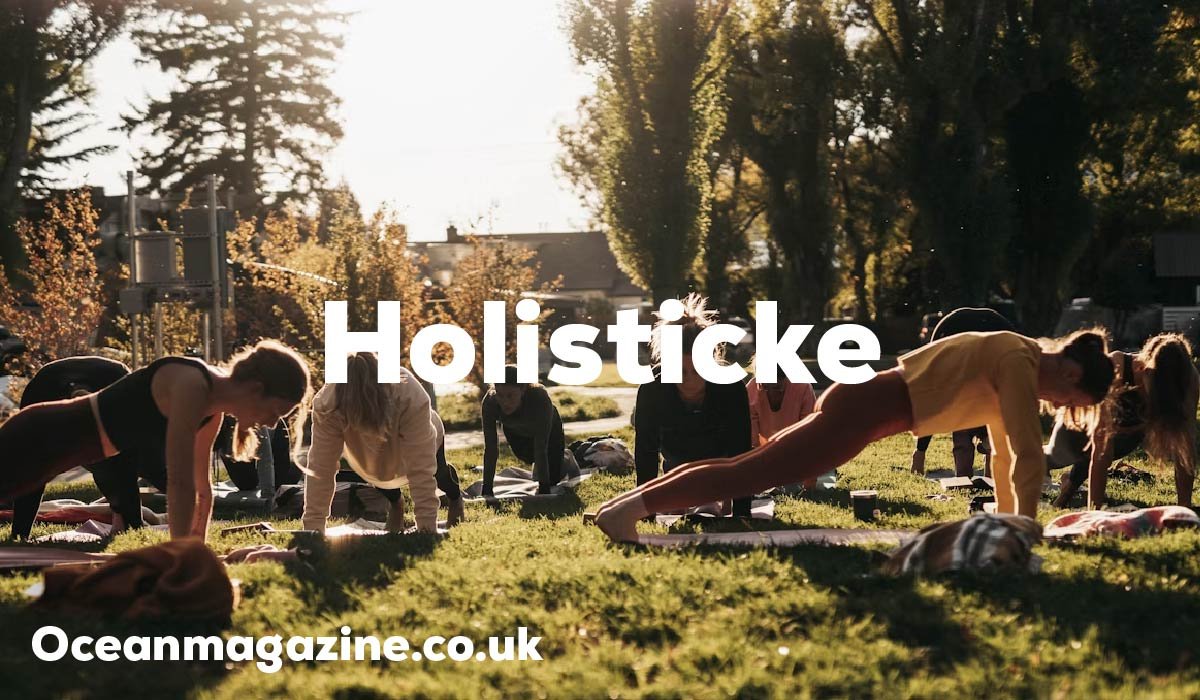
Many people try to improve their health by fixing one problem at a time. They exercise when they feel unfit, change their diet when they feel tired, or try meditation when stress becomes difficult to manage. These steps can help, but they do not always address the full picture. Your sleep, food, movement, emotions, surroundings, and daily habits often affect one another. Holisticke is a way of looking at wellness as a connected system. Instead of focusing on one symptom, it encourages you to consider your whole lifestyle.
In this guide, you will learn what Holisticke means, how it works, what its main benefits may be, and what to consider before using it in your daily life.
What Is Holisticke?
Holisticke is a whole-person approach to wellness. It looks at your physical health, thoughts, emotions, habits, relationships, environment, and sense of purpose.
The term appears to be a modern variation of the word “holistic.” Holistic means looking at something as a complete system rather than as separate parts.
Think of your health like a house. Fixing one room may help, but the whole house still depends on the roof, foundation, wiring, plumbing, and daily care. In the same way, exercise alone may not make you feel well if you sleep poorly, eat irregularly, or live under constant stress.
Holisticke may appeal to people who want to:
- Build healthier routines
- Manage daily stress
- Understand how habits affect well-being
- Take better care of themselves before problems grow
- Create more balance between work, rest, movement, and personal life
There is no single official Holisticke program. It is better understood as a flexible wellness idea that helps you look at several parts of your life together.
Why Is Holisticke Becoming Popular?
Many people feel overwhelmed by busy schedules, long screen hours, poor sleep, and constant pressure. They may not have a serious health problem, but they still feel tired, distracted, tense, or out of balance.
Holisticke speaks to this problem because it does not offer one quick fix. It encourages you to look at the patterns behind how you feel.
For example, feeling tired every afternoon may not have one simple cause. It could be connected to poor sleep, skipped meals, low activity, stress, or a demanding routine.
People are also becoming more interested in prevention. They want to improve their habits before stress turns into burnout or poor routines begin to affect their health.
Holisticke feels practical because you can adapt it to your own life. You do not need to follow a strict diet, buy special products, or change everything at once.
The Main Parts of Holisticke Wellness
There is no official list of Holisticke principles. However, the idea usually includes several connected areas of well-being.
Physical Health
Physical health includes sleep, movement, hydration, rest, and regular medical care.
The goal is not to chase a perfect body. It is to support your body with habits that help you feel stronger, more comfortable, and better able to manage daily life.
Nutrition
Food affects energy, concentration, comfort, and long-term health.
A Holisticke approach usually focuses on balanced meals and simple, nourishing foods rather than extreme diets or unsupported detox plans.
Mental Well-Being
Mental well-being is about how you think, focus, solve problems, and deal with pressure.
Helpful habits may include taking breaks, limiting distractions, setting screen boundaries, and creating a calmer daily routine.
Emotional Awareness
Emotional awareness means noticing your feelings instead of ignoring them.
You may begin to recognize when you feel anxious, angry, sad, frustrated, or overwhelmed. This can help you respond in a healthier way.
Relationships
Your relationships can affect your mood, confidence, stress levels, and sense of support.
Holisticke encourages you to notice which relationships feel healthy and which ones regularly leave you drained or uncomfortable.
Environment
Your surroundings can influence how you feel and behave.
Noise, clutter, lighting, privacy, and access to outdoor space may all affect your ability to rest, focus, or feel calm.
Meaning and Personal Growth
This area includes the things that give your life direction or purpose.
For some people, that may involve faith. For others, it may come from family, creativity, learning, nature, community service, or quiet reflection.
How Holisticke Works
Holisticke is not a medicine, treatment, or device. It is a way of reviewing your life and noticing how different habits may be connected.
The process usually begins with a problem.
Imagine that you feel tired every afternoon. A quick response might be to drink more coffee. A Holisticke approach would ask a few more questions.
Are you sleeping enough? Are you eating a proper lunch? Also are you drinking enough water? Are you sitting for long periods? Is your work mentally exhausting?
You then choose one or two realistic changes. You might go to bed earlier, improve your lunch, or take a short walk during your break.
After some time, you review what changed. If your energy improves, the new habit may be helping. If it does not, you can adjust your approach or speak with a health professional.
This does not mean that every symptom comes from your lifestyle. Ongoing, severe, or unusual symptoms should be assessed by a qualified medical professional.
How to Use Holisticke in Daily Life
1. Review Your Routine
Write down how you sleep, eat, move, work, rest, and use screens for a few days.
Be honest about what actually happens. You are not trying to create a perfect routine. You are trying to see your current patterns clearly.
2. Choose One Problem
Pick one area that regularly affects your day.
This might be poor sleep, low energy, skipped meals, too much screen time, or difficulty relaxing after work.
3. Choose One Small Action
Make the change simple enough to repeat.
You could walk for ten minutes, drink water in the morning, eat lunch away from your desk, or stop using your phone before bed.
4. Attach It to an Existing Habit
Link the new action to something you already do.
For example, stretch after brushing your teeth or take three slow breaths before opening your laptop.
5. Track How You Feel
Notice changes in your sleep, energy, mood, focus, or comfort.
Do not judge the habit after one day. Give yourself enough time to see whether it fits your life.
6. Adjust the Plan
If the habit feels too difficult, make it smaller.
A short routine you can follow is usually more useful than an ambitious plan you quickly abandon.
7. Seek Professional Help When Needed
Speak with a qualified doctor or mental health professional if you experience severe anxiety, ongoing pain, major mood changes, unusual tiredness, or symptoms that concern you.
Holisticke should support appropriate care, not replace it.
Main Benefits of Holisticke
It Helps You See the Bigger Picture
A whole-person approach may help you notice patterns you previously missed.
You may discover that late-night screen use affects your sleep or that skipping meals makes it harder to concentrate. These connections can help you make more useful changes.
It Encourages Realistic Habits
Holisticke focuses on regular actions rather than dramatic short-term plans.
For example, preparing a simple breakfast most mornings may be more useful than following a complicated diet for one week.
It Supports Preventive Care
Paying attention to your stress, sleep, movement, and emotional health may help you respond before you feel completely exhausted.
You might schedule short breaks during a demanding project instead of waiting until you are too tired to continue.
It Can Fit Different Lifestyles
Holisticke can be adapted to your schedule, budget, age, culture, and physical ability.
A useful routine for a student may look very different from one for a parent, office worker, or retired adult.
It Makes You More Involved in Your Health
Holisticke encourages you to observe your habits and take part in your own care.
You may still need professional help, but you may become better at explaining your concerns and asking useful questions.
Possible Limitations and Things to Consider
Holisticke does not have one official definition, treatment system, or professional standard. Different websites, coaches, and businesses may use the word in different ways.
This means you should review any service or product carefully before paying for it.
Ask questions such as:
- What exactly is being offered?
- What training does the provider have?
- Is the advice based on reliable evidence?
- Are the expected results explained honestly?
- Could the service affect existing treatment?
- Are all costs clearly listed?
Be cautious of anyone who promises to cure a disease, remove toxins, replace medical treatment, or produce guaranteed results.
Some Holisticke habits may cost little or nothing. Walking, journaling, stretching, breathing exercises, and reducing screen time do not require expensive equipment.
Other services can be costly. Coaching, retreats, supplements, specialist tests, and wellness apps may add up quickly.
You should also avoid changing every part of your life at once. A long wellness checklist can become another source of pressure.
Compared With Other Approaches
Holisticke vs Holistic Wellness
Holisticke and holistic wellness are very similar. Both look at physical, mental, emotional, social, and lifestyle factors.
The main difference is the wording. “Holistic” is a widely used general term, while “Holisticke” appears to be a newer and less clearly defined version.
People who want established language may prefer “holistic wellness.” Those who use Holisticke often mean a modern and flexible form of the same whole-person idea.
Holisticke vs Conventional Health Care
Conventional health care includes diagnosis, medical testing, medication, surgery, emergency care, and treatment for illness.
Holisticke does not provide these services and should not replace them.
However, it may complement medical care by helping you improve everyday habits such as sleep, movement, stress management, and nutrition.
Holisticke vs Structured Wellness Programs
A structured wellness program may give you fixed schedules, targets, meal plans, or exercise routines.
This can help people who prefer clear instructions and measurable goals.
Holisticke offers more flexibility. Also You can choose which areas to work on, but the lack of fixed rules may feel confusing for some people.
You do not have to choose only one approach. You can use professional medical care, follow reliable health advice, and still take a whole-person view of your daily routine.
Final Thoughts
Holisticke is a simple way to look at wellness as a connected system. It asks you to consider how your sleep, food, movement, thoughts, emotions, relationships, and environment affect one another.
Its main value comes from helping you notice patterns and make realistic changes. The term itself does not guarantee that every product, service, or piece of advice connected to it is safe or effective.
Start by choosing one part of your routine that causes regular difficulty. Make one small change, follow it consistently, and pay attention to how you feel. Seek qualified medical or mental health support whenever a problem is severe, persistent, or unclear.