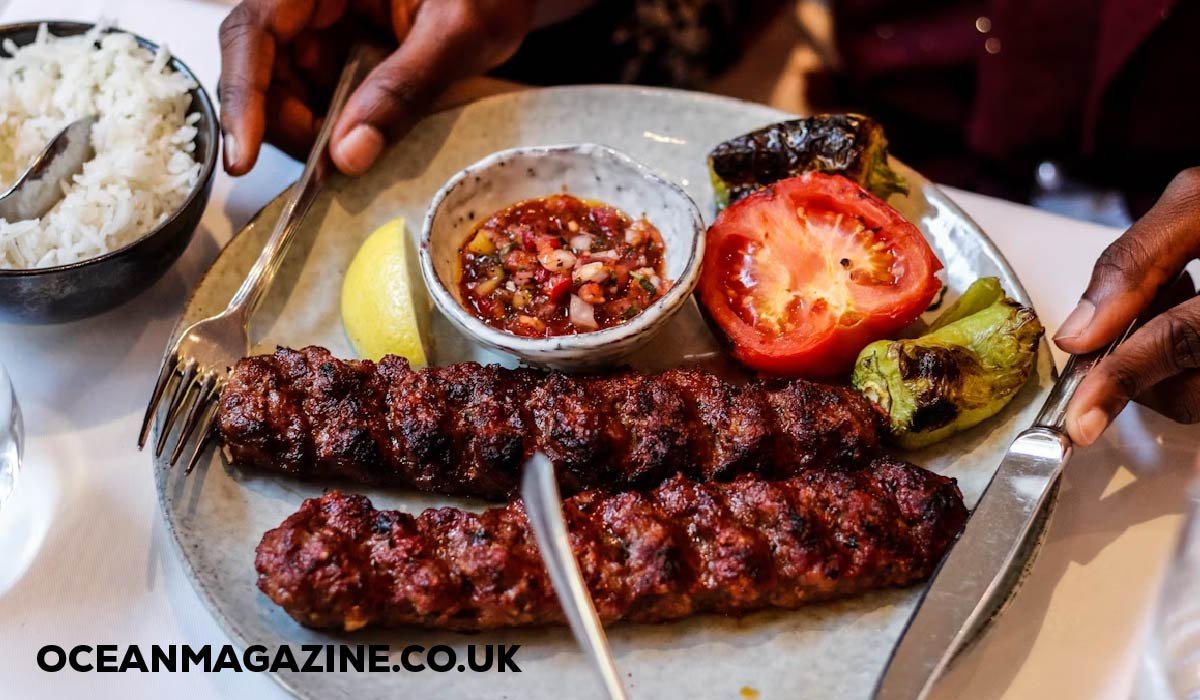
You may have come across the word “Levapioli” in a recipe, food blog, or search result and wondered what it means. It is often described online as a Balkan-style grilled meat dish made from seasoned ground meat.
However, Levapioli is not widely recognized as the traditional name of a documented Balkan dish. In food content, the term is usually used for a recipe that closely resembles ćevapi: small rolls of seasoned minced meat cooked over direct heat.
This guide explains what Levapioli usually refers to, how to prepare it, what to serve with it, and how it compares with other ground-meat dishes.
What Is Levapioli?
Levapioli is generally described as a grilled ground-meat dish shaped into small rolls or patties. Recipes may use beef, lamb, pork, poultry, or a blend of meats.
The mixture is usually seasoned with salt, pepper, garlic, onion, and paprika. It may then be grilled, pan-fried, or baked.
The easiest comparison is ćevapi, a well-known Balkan dish made from minced meat shaped into short, skinless sausage-like pieces. Many Levapioli recipes follow the same basic idea.
You may enjoy Levapioli if you want:
- A simple grilled meat meal
- A filling for flatbread or wraps
- An alternative to burgers or meatballs
- A recipe that can be adjusted to your taste
Its appeal comes from its simplicity. You need only a few ingredients, and the small pieces cook quickly.
Why Is Levapioli Becoming Popular?
There is little reliable evidence that Levapioli is the traditional name of a historic Balkan or Italian dish. The food-related use of the word appears mainly in recent online content.
It may be a modern recipe name, a spelling variation, or a label used for a dish inspired by ćevapi and similar grilled meats.
That does not mean the recipe itself has no value. Grilled minced-meat dishes are popular because they are filling, easy to serve, and suitable for family meals, barbecues, wraps, and mixed grill plates.
When you see a recipe called Levapioli, focus on the ingredients and cooking method rather than assuming the name refers to one fixed tradition.
Main Ingredients in Levapioli
Most Levapioli recipes use a small group of familiar ingredients.
- Ground meat: Beef and lamb provide a rich flavor. Pork may add fat and tenderness, while chicken or turkey can create a lighter version.
- Salt: Salt seasons the mixture and helps the meat bind as you mix it.
- Garlic and onion: These add depth and a savory taste. Use onion in moderation so the mixture does not become too wet.
- Black pepper and paprika: Pepper adds mild heat, while paprika gives warmth and color.
- Fresh herbs: Parsley is sometimes added for freshness, although it is not essential.
- Flatbread and sauces: Ajvar, yogurt sauce, raw onion, and flatbread are common serving choices.
The amount of fat in the meat matters. Meat that is too lean can become dry, while very fatty meat may shrink or cause flare-ups on the grill.
How Levapioli Is Made
The process is similar to making a small burger or a skinless sausage.
First, you mix the ground meat with salt and seasonings. Mixing helps spread the flavor and gives the meat a slightly sticky texture, which helps the pieces hold their shape.
Next, you chill the mixture. This makes it easier to handle and gives the seasoning time to blend into the meat.
You then shape the mixture into short rolls or small patties. Keeping them close in size helps them cook evenly.
Finally, you cook them over strong heat. A grill gives the meat a smoky flavor, but a heavy frying pan or oven can also produce a good result.
How to Make Levapioli at Home
1. Choose your meat
Start with about 500 grams of ground meat. You can use beef, lamb, pork, chicken, turkey, or a blend.
Choose meat with some fat if possible. A little fat helps the Levapioli stay juicy during cooking.
2. Add the seasoning
Add salt, black pepper, minced garlic, and a small amount of paprika. You can also add finely grated onion or chopped parsley.
Keep the seasoning simple at first. Too many herbs and spices can hide the flavor of the meat.
3. Mix well
Mix the meat with clean hands or a sturdy spoon until the seasoning is evenly spread and the mixture feels slightly sticky.
Do not leave raw meat sitting at room temperature for long. Wash your hands and clean all tools and surfaces afterward.
4. Chill the mixture
Cover the bowl and place it in the refrigerator for at least 30 minutes.
Chilling firms the mixture and makes shaping easier.
5. Shape the pieces
Roll the meat into short cylinders about the thickness of your thumb. You can also shape it into small, flat patties.
Try to make each piece the same size. This prevents smaller pieces from drying out before larger ones are cooked.
6. Heat the grill or pan
Preheat your grill, grill pan, or heavy frying pan before adding the meat.
A hot surface helps brown the outside and reduces sticking.
7. Cook thoroughly
Cook the Levapioli on all sides until browned and fully cooked in the center. Turn the pieces with tongs and avoid pressing them down, since pressing can push out the juices.
Ground beef, pork, lamb, and veal should reach an internal temperature of 160°F or 71°C. Ground poultry should reach 165°F or 74°C.
A food thermometer is the safest way to check.
8. Serve while hot
Serve the cooked meat with warm flatbread, chopped onion, salad, ajvar, sour cream, or yogurt sauce.
Do not place cooked meat on the same plate that held the raw mixture unless the plate has been washed.
Benefits of Levapioli
It Uses Simple Ingredients
You do not need special equipment or hard-to-find ingredients. Ground meat, seasoning, and a hot pan or grill are enough.
This makes Levapioli practical for a weeknight meal or a casual barbecue.
It Is Easy to Serve
You can serve Levapioli on a plate, inside flatbread, in a wrap, or with rice and vegetables.
The small pieces are also easy to share, which makes them useful for family meals and gatherings.
You Can Adjust the Portions
Because the pieces are small, each person can take the amount that suits them.
You can also make smaller pieces for children or larger ones for a main meal.
The Flavor Is Flexible
You can keep the recipe mild or add ingredients such as chili, smoked paprika, parsley, or cumin.
Keep in mind that stronger seasoning may make the dish taste more like kofta or seasoned meatballs than a simple ćevapi-style recipe.
Things to Consider
The main issue with Levapioli is the name. It is not widely documented as a traditional Balkan or Italian food term.
For that reason, be cautious with articles that present detailed stories about its ancient history or claim that it comes from a specific town or region without giving reliable sources.
Food safety also matters. Ground meat can carry bacteria throughout the mixture, so it must be cooked fully.
The final cost depends on the meat you choose. Lamb and some beef cuts may cost more, while chicken, turkey, or pork may be more affordable.
You should also consider dietary needs. Pork may not suit some religious or personal diets. Dairy-based sauces may not suit people with milk allergies, and flatbread may contain gluten.
Before using a Levapioli recipe, ask:
- What type of meat does it use?
- Is the cooking temperature clearly explained?
- Does the recipe make unsupported claims about its history?
- Would a traditional ćevapi or kofta recipe better match what you want?
Levapioli Compared With Other Dishes
Levapioli vs. Ćevapi
Both dishes use seasoned ground meat shaped into small pieces and cooked over high heat.
The main difference is that ćevapi is a recognized Balkan dish with established regional traditions. Levapioli is a less clearly defined term often used in modern online recipes.
Choose ćevapi if you want a recipe tied to a known Balkan food tradition.
Levapioli vs. Kofta
Kofta refers to a large family of ground-meat dishes found across the Middle East, South Asia, North Africa, and nearby regions.
Kofta recipes often use more herbs and spices, including cumin, coriander, mint, or parsley. Some are also cooked on skewers.
Choose kofta if you prefer stronger seasoning and a wider range of flavor options.
Levapioli vs. Meatballs
Meatballs are usually round and may include breadcrumbs, eggs, cheese, or milk.
They are often fried, baked, or cooked in sauce. Levapioli-style pieces are usually simpler and are more often cooked on a grill or hot pan.
Levapioli vs. Burgers
Burgers are larger patties that are usually served in buns.
Levapioli pieces are smaller, cook faster, and have more browned surface. They are also easier to serve as part of a shared plate.
Final Thoughts
Levapioli is best understood as a modern or informal name for a grilled ground-meat dish that resembles ćevapi. The name does not have a well-documented culinary history, so claims about its exact origin should be treated carefully.
The recipe itself is simple and useful. Choose good meat, season it lightly, shape the pieces evenly, and cook them to a safe internal temperature.
A good next step is to compare a Levapioli recipe with a traditional ćevapi or kofta recipe. That will help you decide which ingredients and style best suit your taste.