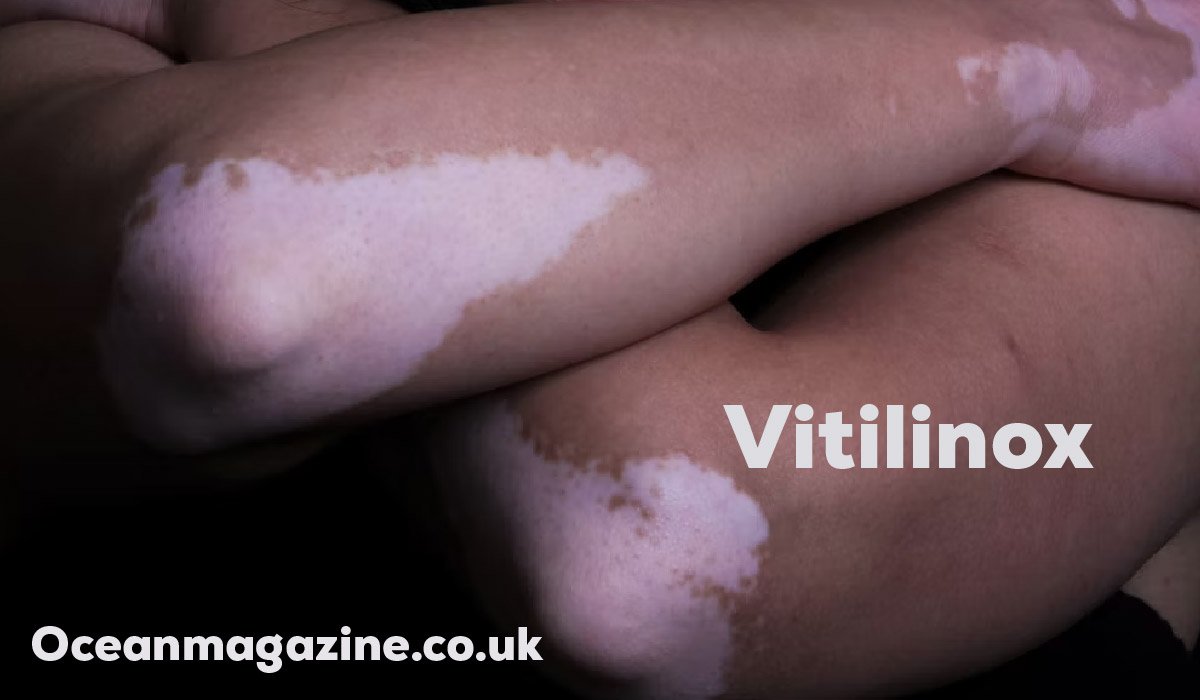
Vitiligo can be difficult to manage, especially when white patches appear on visible areas such as your face, hands, or arms. You may want a product that supports your skin, improves comfort, or helps make changes in skin tone less noticeable. Vitilinox is marketed as a topical product for people with vitiligo. However, clear and independent information about the exact product is limited. Similar names may also be used for different creams or supplements, so you should not assume that every product contains the same ingredients.
This guide explains what Vitilinox appears to be, how products like it are usually used, and what you should check before buying. It also compares Vitilinox with common vitiligo treatment options.
What Is Vitilinox?
Vitilinox is generally described as a topical skincare product made for people with vitiligo.
Vitiligo is a long-term skin condition that causes patches of skin to lose color. This happens when melanocytes, the cells that make skin pigment, stop working or are destroyed.
Vitilinox may be sold as a cream that moisturizes the skin, supports the skin barrier, or helps improve the appearance of uneven pigmentation. These claims should be viewed carefully unless they are supported by a full ingredient list and reliable clinical evidence.
It may help to think of Vitilinox as a skincare product rather than a cure. A cream can improve dryness or comfort, but restoring skin pigment is a more complex process.
People are often interested in Vitilinox because it appears easy to use at home. It may also appeal to those who want a nonprescription option. However, a product described as natural is not automatically effective or risk-free.
Why Is Vitilinox Becoming Popular?
Vitiligo can be hard to treat, and results vary from person to person. The location of the patches, how long they have been present, and whether the condition is still spreading can all affect treatment results.
Many people also prefer products they can use at home. Applying a cream may feel simpler than attending regular light therapy sessions or using prescription medicines.
Online advertising and customer stories may also increase interest in Vitilinox. However, personal testimonials do not prove that a product works. A person may also be using prescription creams, supplements, or light therapy at the same time.
Product identity is another issue. Similar names may appear on different online listings. Before buying, check the exact brand, manufacturer, ingredient list, instructions, and country of origin.
Main Features to Check
Because reliable information about Vitilinox is limited, you should study the product label carefully.
- Full ingredient list: Every ingredient should be clearly named. This helps you spot fragrances, allergens, herbal extracts, or ingredients that may make your skin more sensitive to sunlight.
- Clear instructions: The label should explain how much to apply, how often to use it, and where it should not be used.
- Safety warnings: Look for advice about pregnancy, age limits, allergies, broken skin, and possible irritation.
- Manufacturer information: A trustworthy product should list the manufacturer or distributor, contact details, and a batch number.
- Evidence for claims: Claims about restoring pigment or stimulating melanocytes should be supported by research on the finished product.
- Realistic promises: Be careful with claims such as “permanent cure,” “guaranteed results,” or “works for everyone.”
How Vitilinox May Work
How Vitilinox works depends entirely on its ingredients.
A basic topical cream may moisturize the skin and support its protective barrier. This can make dry or sensitive areas feel smoother, but it does not necessarily bring pigment back.
Some formulas may contain antioxidants. Antioxidants help protect cells from damage caused by unstable molecules known as free radicals. Oxidative stress has been studied in relation to vitiligo, but this does not prove that every antioxidant cream can restore pigment.
Other products may claim to support melanin production or stimulate melanocytes. These are stronger medical claims and should be backed by proper studies on the complete formula.
In simple terms, Vitilinox may support your skincare routine, but it should not be treated as a replacement for professional vitiligo care unless strong evidence supports its use.
How to Use Vitilinox Safely
Always follow the instructions on the package. Products with similar names may have different formulas.
- Confirm your diagnosis.
Ask a dermatologist to examine new or changing white patches. Other skin conditions can sometimes look like vitiligo. - Read the label carefully.
Check the ingredients, warnings, expiry date, and directions. Avoid products that do not provide basic safety information. - Do a patch test.
Apply a small amount to a limited area of skin before using it widely. This can help you spot irritation or an allergic reaction. - Clean and dry your skin.
Wash the area gently with lukewarm water and a mild cleanser. Avoid rubbing or scrubbing. - Apply the recommended amount.
Using more cream will not necessarily improve results. It may only increase the risk of irritation. - Protect your skin from the sun.
Vitiligo patches contain less melanin and may burn more easily. Use suitable sun protection and follow your dermatologist’s advice. - Track any changes.
Take photos in the same lighting every few weeks. Stop using the product if you develop ongoing redness, swelling, burning, or blistering.
Possible Benefits of Vitilinox
It May Improve Skin Comfort
If Vitilinox contains moisturizing ingredients, it may help reduce dryness and tightness.
For example, your skin may feel smoother after regular use. This is a realistic skincare benefit, but it is different from proven repigmentation.
It Is Easy to Use at Home
A topical cream can fit easily into your daily routine. You do not need special equipment to apply it.
This convenience may make regular use easier. Still, a product being easy to use does not mean it is clinically effective.
It May Support a Broader Skincare Plan
A gentle moisturizer may be used alongside other treatments if your dermatologist approves it.
This can help keep your skin comfortable while you follow a medical treatment plan. You should still check for possible interactions with prescription creams or light therapy.
It May Help You Feel More in Control
Following a consistent skincare routine can make you feel more involved in managing your condition.
Tracking changes, protecting your skin, and asking informed questions may also improve conversations with your healthcare provider.
Limitations and Things to Consider
The biggest concern is the lack of clear, independent evidence for the exact product sold as Vitilinox.
Without published studies on the finished formula, it is not possible to say that it restores pigment, slows vitiligo, or produces consistent results.
Ingredients may also vary between sellers. Herbal extracts, fragrances, and other substances can cause irritation, allergies, or increased sun sensitivity.
Cost is another factor. A cream used for several months may become expensive, especially if the seller also recommends supplements or additional products.
Before buying Vitilinox, ask:
- Is the full ingredient list available?
- Is the product meant to moisturize, cover, or treat vitiligo?
- Are its claims supported by research on the finished product?
- Could any ingredient increase sun sensitivity?
- Can it be used with your current medicines?
- Is the seller clearly identified?
- Is there a clear return or refund policy?
Children, pregnant or breastfeeding people, and anyone using prescription treatment should speak with a healthcare professional before use.
Do not apply an unfamiliar product near your eyes, inside your mouth, or on broken skin unless the label clearly says it is safe.
Vitilinox Compared With Other Vitiligo Options
Prescription Creams
Dermatologists may prescribe corticosteroids or calcineurin inhibitors for some people with vitiligo. These medicines may help reduce inflammation or support repigmentation.
They have more medical evidence than an unverified skincare product, but they can also cause side effects and must be used correctly.
Prescription ruxolitinib cream is approved in some countries for certain people with nonsegmental vitiligo. It is not suitable for everyone and requires medical advice.
Vitilinox may be easier to buy, but it should not be treated as equal to a prescription medicine unless reliable evidence supports that comparison.
Phototherapy
Phototherapy uses controlled ultraviolet light to encourage repigmentation.
It may be helpful for some people, especially when vitiligo affects larger areas. However, it often requires regular treatment sessions and professional supervision.
You may prefer phototherapy if your vitiligo is widespread or active. A simple cream may be more convenient if your main goal is moisturization or skin comfort.
Cosmetic Camouflage
Camouflage creams and self-tanning products do not treat vitiligo. They temporarily reduce the contrast between white patches and the surrounding skin.
These products may provide a faster visible change than treatments aimed at repigmentation. However, the effect fades or washes off.
They may suit you if appearance is your main concern and you want a nonmedical option.
Basic Moisturizers
A fragrance-free moisturizer can help protect dry or sensitive skin.
It does not claim to restore pigment, but its purpose is clear. If Vitilinox mainly contains moisturizing ingredients, compare its formula and price with a standard moisturizer made for sensitive skin.
Final Thoughts
Vitilinox is marketed as a topical product for people with vitiligo, but reliable information about its formula and effectiveness is limited.
It may help moisturize your skin or make a daily skincare routine easier. However, you should not expect guaranteed repigmentation without strong clinical evidence.
Before buying, check the full ingredient list, manufacturer details, safety warnings, and treatment claims. The safest next step is to show the product label to a dermatologist or pharmacist, especially if you are already using vitiligo medication.